
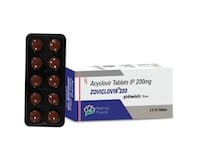
Order Aciclovir Online Today for Fast Delivery
Common Uses and Therapeutic Scenarios
That sudden, stinging sensation on your lip or that localized tingling under your skin is often the first sign of a Herpes Simplex Virus (HSV) outbreak. Aciclovir steps into the ring like a seasoned veteran, working to blunt the impact of these viral spikes. It won’t cure the virus entirely, but it certainly takes the wind out of its sails.
For those dealing with HSV-1, which typically targets the oral region, the medication helps shorten the duration of sores. It acts like a shield, preventing the virus from hijacking healthy cells. Doctors often prescribe it during these flare-ups to ease the discomfort that can feel like a thousand tiny needles under the skin.
When it comes to HSV-2, the scenario shifts toward genital health. The virus can be a persistent shadow, but aciclovir provides a way to manage the inevitable. By suppressing viral replication, patients find that the frequency and severity of outbreaks diminish significantly, allowing them to reclaim a sense of normalcy in their daily lives.
Timing is everything when you are fighting a losing battle against a flare-up. If you catch it early, the results are often night and day. It is like putting out a kitchen fire before it reaches the curtains; the faster you act, the less damage the virus can do to your delicate mucosal tissues.
Managing Herpes Simplex Outbreaks
When a primary genital herpes outbreak occurs, it can feel like a storm hitting a small boat. The symptoms are often intense, involving fever, malaise, and painful lesions. In these acute moments, aciclovir is the heavy hitter, deployed to reduce the viral load and help the body heal without the constant agony.
Medical professionals typically look at your history to decide how aggressive the treatment should be. For a first-time infection, the protocol is often more intensive. It is a marathon, not a sprint, and the goal is to keep you comfortable while your immune system gathers its strength for the fight.
There are two main ways to approach these viral invaders. You might opt for acute treatment, a “firefighting” approach used only when symptoms appear. Alternatively, there is prophylaxis, a preventative strategy where the drug is taken daily to stop outbreaks before they even have a chance to start.
Prophylaxis is a game-changer for many. It is like wearing a raincoat even when the sky looks clear. While it requires more discipline to take the pills every single day, the peace of mind it offers is worth its weight in gold for those with frequent, debilitating flares.
Choosing between these strategies depends on your lifestyle and how often symptoms pop up. Some prefer the convenience of treating only when needed, while others find that the daily routine of prophylaxis provides a much-needed sense of control over an unpredictable condition.
Addressing Varicella-Zoster and Shingles
Shingles is a different beast altogether. It is the reactivation of the varicella-zoster virus, which has been lying dormant in your nerve roots like a sleeping dragon. When it wakes up, it follows a painful path along a specific dermatome, often causing a blistering rash that feels like a burning sensation.
Treatment protocols for shingles are quite different from managing simple cold sores. Because the virus lives deep within the nerve tissue, the window for effective intervention is much smaller. Doctors usually recommend starting aciclovir within 72 hours of the rash appearing to maximize the therapeutic benefits.
The goal here is to prevent the dreaded post-herpetic neuralgia. This is a type of chronic nerve pain that can linger long after the rash has vanished. By attacking the virus early, aciclovir helps prevent the nerve endings from being permanently damaged by the viral onslaught.
Patients often report a significant reduction in pain intensity when they adhere strictly to the prescribed regimen. It is not a magic wand, but it is a very effective tool in the physician’s medical kit. It helps ensure the “dragon” stays asleep for as long as possible.
If you notice a localized tingling or a burning sensation on one side of your body, do not wait. Treating shingles early can be the difference between a week of discomfort and months of chronic, debilitating nerve pain that disrupts your ability to sleep or work.
Comparison of Treatment Strategies
Navigating the world of antiviral therapy can feel like walking through a minefield of options. Understanding the difference between treating an active infection and preventing one is crucial for long-term health management. Each approach has its own set of pros and cons that you should discuss with a professional.
For those on a budget, it is important to note that costs can vary. While the medication itself is often affordable, the consultation fees can add up. Below is a general comparison of how these strategies typically look in a clinical setting for a standard prescription cycle.
| Strategy | Primary Goal | Frequency of Use | Estimated Cost per Month |
| Acute Treatment | Symptom Relief | Only during outbreaks | $15 – $40 |
| Prophylaxis | Prevention | Daily/Continuous | $45 – $120 |
| Post-Herpetic Care | Pain Management | As needed for nerves | $30 – $80 |
Ultimately, the decision rests on your unique biological response to the virus. Some people’s bodies are naturally better at keeping the virus in check, while others need the chemical assistance of aciclovir to maintain their quality of life and prevent the cycle of pain.
Standard Dosage and Administration Protocols
When it comes to managing viral infections, timing is everything. Taking your medication at the right moment can be the difference between a quick recovery and a long, drawn-out ordeal. Think of it like catching a train; if you miss the first window, the next one might be much further away.
For most adults dealing with common herpes simplex, oral tablets are the gold standard. Typically, a regimen might involve taking 200mg to 400mg five times a day during an active outbreak. It is a bit of a chore to remember those frequent doses, but consistency is the secret sauce to success.
If you are battling a more aggressive shingles outbreak, the dosage often steps up a notch. Doctors frequently prescribe 800mg tablets to be taken five times daily for several days. It is important to spread these doses out evenly throughout the day to keep the drug levels steady in your bloodstream.
Some patients prefer the localized approach using topical creams. While not as potent as systemic pills, applying cream directly to the lesions can soothe the area and reduce discomfort. It is like applying a cool compress to a burn; it provides immediate relief, even if it doesn’t fight the fire deep inside.
Managing Severe Systemic Infections
In rare, high-stakes scenarios where the virus has moved beyond the skin and into the bloodstream, we enter the realm of intravenous administration. This is serious business reserved for hospitalized patients with compromised immune systems. It is the heavy artillery used when the body’s natural defenses are struggling.
Intravenous delivery ensures the medication reaches the site of infection with maximum speed and precision. Doctors carefully monitor the infusion rate to ensure the patient’s body can handle the sudden influx of the drug. This method bypasses the digestive system entirely, delivering the payload directly into the veins.
Because these cases are often quite critical, the dosing schedule is much more rigid. Medical staff will often administer the drug every eight hours around the clock. It is a high-intensity approach designed to stabilize the patient and prevent the virus from causing widespread organ damage.
While the thought of an IV might sound daunting, it is a vital lifeline in acute settings. It provides the most direct route to combatting a systemic onslaught. In these moments, every milligram counts toward the patient’s recovery and overall stabilization.
Hydration and Renal Safety
One golden rule that cannot be ignored is the importance of staying well-hydrated. Aciclovir is processed primarily through the kidneys, and they work hard to filter the medication out of your system. If you run low on fluids, the drug can actually cause crystals to form in the urine.
Think of your kidneys like a delicate filtration system that needs plenty of water to run smoothly. If you are taking high doses of aciclovir, you should be drinking water like it’s your job. This simple habit can prevent significant kidney irritation and ensure the medication is cleared efficiently.
For patients with pre-existing renal impairment, the rules of engagement change entirely. Doctors must perform a delicate dance, often lowering the dose or extending the time between doses. This adjustment is crucial to avoid toxicity while still maintaining enough medicine in the blood to fight the virus.
Always listen to your physician if they suggest a modified schedule due to kidney health. It is not about being cautious; it is about being precise. A tailored approach ensures that the medicine helps you heal without putting unnecessary stress on your renal system.
The following table outlines the typical monthly cost variations for different administration methods and pharmacy plans.
| Administration Method | Treatment Duration | Pharmacy Plan Type | Estimated Monthly Cost |
|---|---|---|---|
| Topical Cream | 14 Days | Standard Retail | $25 |
| Oral Tablets (Acute) | 7 Days | Basic Prescription | $45 |
| Oral Tablets (Prophylaxis) | 30 Days | Maintenance Plan | $110 |
| Intravenous (Inpatient) | 5 Days | Hospitalized Rate | $850 |
Market Pricing and Cost Analysis
Navigating the pharmacy aisles can often feel like walking through a financial minefield. When it comes to Aciclovir, the price tag you see at the register depends heavily on whether you are grabbing a generic bottle or a branded version. In 2026, the landscape remains split between affordability and brand loyalty.
For most people, the generic route is a breath of fresh air for the wallet. You can typically find generic Aciclovir tablets for an average cost of $15 to $40 depending on the quantity. These generics are the workhorses of the market, offering the same active ingredients without the fancy packaging.
Brand-name versions, however, tend to carry a much steeper premium. They often cost three to five times more than their generic counterparts. While some patients swear by the consistency of name brands, most medical experts suggest that the generic option provides the best bang for your buck.
The price gap is significant enough to make anyone pause. If you are on a tight budget, sticking to the generic tablets is the smartest move. It’s like choosing a reliable, unbranded tool over a designer one; they both get the job done just as effectively.
Factors Influencing Pharmacy Pricing
Why does the price fluctuate so wildly between different pharmacies? Several moving parts are at play here. Supply chain logistics and regional demand play a massive role in what you eventually pay at the checkout counter.
In 2026, the cost of raw chemical precursors has seen some volatility. If a major manufacturer faces a hiccup, the supply tightens, and prices naturally climb. It’s a classic case of supply and demand playing tug-of-war with your prescription costs.
Your insurance coverage is another heavy hitter in this equation. A high-deductible plan might leave you footing the entire bill upfront, whereas a robust PBM (Pharmacy Benefit Manager) plan might slash your costs to just a few dollars. Always check your formulary before heading to the pharmacy.
Location also matters more than you might think. A pharmacy in a bustling metropolitan center often has higher overhead than a small-town shop. It is worth a quick phone call to compare prices; a little legwork can save you a significant amount of cash.
Keep an eye on these specific variables:
- Insurance Tiering: How your plan categorizes the drug.
- Quantity Discounts: Buying a 90-day supply versus a 7-day supply.
- Pharmacy Network: In-network vs. out-of-network pricing.
- Manufacturer Rebates: Occasional discounts passed down to consumers.
Comparing Formulations and Total Expenses
When deciding how to treat an outbreak, you aren’t just choosing a delivery method; you are choosing a cost structure. Oral pills are generally the gold standard for systemic fighting, but they require a multi-day commitment that adds up over time.
Topical ointments, while easier to apply, often have a higher price per gram. You might find a small tube of cream costs $25, whereas a whole bottle of tablets is much cheaper. It is a trade-off between localized relief and overall systemic efficiency.
If you are looking at the big picture, your out-of-pocket expenses for a full course of treatment can vary. For a standard 7-day course of oral tablets, expect to pay roughly $30 to $60 out-of-pocket. This assumes you are using a standard generic option.
If you go the topical route for a minor issue, your total might stay under $30. However, if the infection requires a longer, more intensive oral regimen, the costs can climb. Always budget for the full course to avoid any unpleasant surprises at the pharmacy.
Purchasing and Safe Sourcing Options
Walking into a local pharmacy feels safe, like stepping into a well-lit room. You see the familiar faces of pharmacists who know your history. However, the convenience of online pharmacies is a siren song for many patients looking to save a quick buck or avoid a long wait.
Local retail outlets provide an immediate sense of security because they are physically tethered to a community. If a dosage is wrong, you can walk back in and demand a correction. Online, once that package is dropped in a mailbox, you are essentially on your own in the digital wilderness.
Reputable online pharmacies are a different beast entirely. They offer vast selections and often much lower prices, sometimes as low as $12 for a month’s supply. Yet, the digital landscape is littered with shadows. You must distinguish between a licensed, verified provider and a fly-by-night operation.
Think of it like buying a car. You wouldn’t buy a vehicle from a stranger in a dark alley just because it’s cheap, right? Treat your medication with the same level of caution. Always prioritize the source over the savings when your health is the primary stake in the game.
Navigating Legal Requirements and Verification
One of the biggest hurdles in acquiring Aciclovir is the legal requirement for a valid prescription. In many jurisdictions, this medication is strictly regulated. Trying to bypass this by seeking “no prescription required” sites is a dangerous game that often leads to a dead end.
Legitimate online pharmacies will always require a consultation with a licensed healthcare professional. This might happen via a video call or a detailed digital questionnaire. If a website promises to ship Aciclovir without a doctor’s oversight, you have likely stumbled into a legal and medical minefield.
Verifying these requirements is your first line of defense. A real pharmacy will ask for your current medical history or existing medications to prevent adverse interactions. If they skip these questions to speed up your checkout, they are cutting corners that could cost you your health.
Always ensure you are following the law to avoid any legal headaches. Buying prescription drugs from unregulated sources can lead to your shipment being seized by customs. It is better to pay a little more for a legal, verified shipment than to lose your money entirely.
Identifying Red Flags and Counterfeit Risks
The market is unfortunately plagued by counterfeiters who are masters of deception. They can mimic packaging so perfectly it would fool a trained eye. These “substandard” pills might contain nothing but chalk, or worse, dangerous fillers that have no therapeutic value at all.
Watch out for the “too good to be true” scenario. If a site offers Aciclovir at $5 when the market average is $25, your alarm bells should be ringing loudly. High-quality medicine follows certain economic rules; if a deal defies gravity, it is likely a scam.
Pay close attention to the website’s appearance and professionalism. A site that looks like it was designed in 1998, or one that is riddled with spelling errors and broken links, is a massive red flag. Professionalism in web design often reflects the professionalism of their medical standards.
Here are some common warning signs to look for when browsing:
- Unsecured Payment Methods: Avoiding credit cards in favor of wire transfers or gift cards.
- Lack of Contact Info: No physical address or working phone number provided.
- Aggressive Sales Tactics: Using high-pressure countdown timers to force a sale.
- Missing Legal Disclaimers: Failure to mention that the drug requires a prescription.
Leveraging Digital Health and Certifications
Digital health platforms have revolutionized how we access care in 2026. These verified platforms act as a bridge between you and licensed clinicians. They provide a layer of oversight that makes the entire process transparent, safe, and incredibly efficient for the modern patient.
When using these platforms, you aren’t just buying a pill; you are buying a service that includes medical verification. These services often integrate directly with your electronic health records, ensuring that your Aciclovir prescription is accurate and safe based on your real-time medical data.
To ensure you are on the right side of the law and safety, you must learn to read international pharmacy certifications. Look for the “VIPPS” seal or the equivalent accreditation in your specific region. These logos are the gold standard of legitimacy in the pharmaceutical world.
Check the legitimacy of the pharmacy’s credentials through official regulatory databases. Many countries have online registries where you can type in a pharmacy’s license number to see if it is active and valid. It takes five minutes of work but offers lifetime peace of mind.
| Certification Type | What it Means | Reliability Level |
| Verified Digital Platform | Medically supervised and vetted. | Extremely High |
| Licensed Local Pharmacy | Regulated by state/regional boards. | High |
| Accredited International | Meets international safety standards. | Moderate to High |
| Unverified Online Site | No regulatory oversight. | Very Low |
Shipping, Delivery, and Logistics
Timelines and Transit Expectations
When you are dealing with an active viral outbreak, every hour feels like a lifetime. Speed is of the essence, and waiting for a package can feel like watching paint dry. Most domestic orders typically arrive within 3 to 7 business days, depending on how far you live from the fulfillment center.
If you live in a major metropolitan area, you might see your Aciclovir arrive much sooner. However, rural deliveries can sometimes face a bit of a “hiccup” due to local courier routes. Always check the tracking number immediately to see if your package is moving through the system smoothly.
Standard shipping is the bread and butter of most pharmacies. It is the most economical way to get your medication without breaking the bank. Just keep in mind that standard shipping usually does not include real-time updates every single hour, so patience is a virtue here.
If you find yourself in a pinch and need your medication yesterday, express options are available. These expedited services can cut your wait time down to just 1 or 2 business days. It is a small price to pay for the peace of mind that comes with rapid relief.
International Borders and Customs
Sending medicine across borders is like walking a tightrope. Every country has its own set of rules, and what is perfectly legal in one place might be a “no-go” in another. You must act as your own detective when ordering Aciclovir from an international source.
Customs officials are the gatekeepers of your shipment. They often inspect packages to ensure they comply with local health regulations. If your documentation is lacking, your package might sit in a warehouse indefinitely or, worse, be seized and destroyed by the authorities.
Be prepared to face unexpected costs in the form of customs duties or import taxes. These are not fees charged by the pharmacy, but by your local government. Think of them as a “toll” for bringing foreign goods into your country. It is best to account for these in your budget.
To avoid a headache, always verify the import laws for your specific country before hitting the “buy” button. Some nations require a specific type of medical authorization for any prescription drug. Ignorance is not an excuse when it comes to international customs law.
Preserving Medication Integrity
Aciclovir is a sensitive little molecule that doesn’t like extreme conditions. The packaging protocols used during transit are the “armor” that protects your medicine from the elements. High-quality pharmacies use specialized containers to ensure the pills arrive in pristine, therapeutic condition.
Temperature control is the name of the game. If a package sits in a hot delivery truck for three days, the chemical stability of the medication could be compromised. Look for shipments that utilize insulated liners or moisture-absorbent packets to maintain a steady environment.
The physical integrity of the blister packs is also vital. You don’t want to open your package only to find a handful of crushed white powder because the box was tossed around like a ragdoll. Professional logistics providers treat pharmaceutical shipments with a level of care that standard parcels lack.
Upon arrival, always inspect your packaging immediately. If the seal is broken or the box looks like it has been through a war zone, contact the pharmacy. It is much easier to resolve a shipping issue when the package is still fresh and the damage is obvious.
Tracking and Insurance Protection
In this digital age, being left in the dark is simply not acceptable. Most reputable pharmacies provide a tracking number the moment your order leaves the warehouse. This allows you to follow your package’s journey through various hubs and checkpoints in real-time.
Sometimes, things go sideways despite our best efforts. Packages get lost, stolen from porches, or damaged during transit. This is where delivery insurance becomes your best friend. It acts as a safety net, ensuring you get a replacement or a refund if things go wrong.
Never settle for “untracked” shipping when dealing with prescriptions. It is like throwing a coin into a deep well and hoping it hits the bottom. If a site refuses to provide tracking, walk away immediately. You need to know exactly where your health is in the process.
When evaluating your options, consider the level of protection offered. Some services include basic tracking for free, while more robust insurance plans might require a small additional fee. It is a tiny investment to protect the money you have already spent.
| Shipping Method | Estimated Speed | Typical Cost (USD) |
| Standard Domestic | 3 – 7 Days | $5.00 – $10.00 |
| Express Domestic | 1 – 2 Days | $20.00 – $35.00 |
| International Standard | 14 – 30 Days | $30.00 – $50.00 |
| International Express | 5 – 10 Days | $60.00 – $100.00 |
Comparing Aciclovir with Alternative Antivirals
Choosing the right antiviral is a bit like picking the right tool for a DIY project. You wouldn’t use a sledgehammer to hang a picture frame, just as you wouldn’t use a heavy-duty regimen for a minor flare-up. Understanding the nuances between options can save you significant time, discomfort, and money in the long run.
Aciclovir has long been the old reliable of the antiviral world. It is a workhorse that has stood the test of time, providing a solid defense against various herpes viruses. However, it isn’t the only player on the field, and newer arrivals have changed the way we approach treatment entirely.
Some patients find that Aciclovir is a bit of a “chore” due to the frequency of doses. It often requires multiple pills throughout the day to keep blood levels steady. This can feel like a full-time job if you are trying to manage a chronic flare-up or a particularly stubborn infection.
When we look at the landscape of modern medicine, the goal is always to balance efficacy with convenience. A drug that works perfectly but is impossible to remember to take is, in many ways, a failure. This is why the debate between different antiviral classes is so vital.
Aciclovir vs Valacyclovir
If Aciclovir is the reliable sedan, Valacyclovir is the high-performance sports car. Both will get you to your destination, but the experience is vastly different. Valacyclovir is a “prodrug,” meaning it is converted into Aciclovir inside your body, which allows for much better absorption into the bloodstream.
The most striking difference lies in the dosing schedule. While Aciclovir might require you to take a pill five times a day, Valacyclovir is often taken only once or twice. For a busy professional or a student, this difference is the difference between staying on track or missing a dose entirely.
In terms of raw efficacy, they are remarkably similar. They both target the same viral DNA. However, because Valacyclovir stays in your system longer and reaches higher concentrations, some clinicians argue it provides a more consistent “shield” against viral replication during an active outbreak.
Ultimately, the choice often boils down to lifestyle. If you are a person of habit who doesn’t mind a handful of pills, Aciclovir is an incredibly cost-effective choice. If you are someone who constantly loses track of time, the convenience of Valacyclovir might be worth the extra price tag.
Cost-Benefit Analysis and Side Effects
Money is always a factor when navigating the pharmacy aisle. Aciclovir is a generic veteran, meaning its price is usually very low. You might find a month’s supply for as little as $10.00 or $15.00. It is the budget-friendly option for those watching every penny.
Valacyclovir, on the other hand, can be a bit more spendy. You might see prices jump to $40.00 or $60.00 for the same duration of treatment. When you calculate the “cost per dose,” Valacyclovir often wins for convenience, but the upfront sticker shock is a real factor for many.
Side effects are the “hidden tax” of any medication. Aciclovir is generally very well-tolerated, though some people report mild nausea or upset stomachs. Because you take it more often, the cumulative irritation to the stomach lining can sometimes be a minor nuisance for sensitive individuals.
Other antivirals in the same class might offer different side effect profiles. Some people experience headaches or dizziness. It is a bit of a balancing act: do you want the cheaper drug that requires more frequent dosing, or the pricier one that is easier on your schedule but might carry different risks?
| Medication | Typical Daily Dose | Est. Monthly Cost (USD) |
| Aciclovir | 3-5 times daily | $10.00 – $25.00 |
| Valacyclovir | 1-2 times daily | $40.00 – $80.00 |
Topical vs. Oral Interventions
When a flare-up first starts to itch or tingle, you might be tempted to grab a cream. Topical treatments like Aciclovir cream are like a localized band-aid. They are great for treating the immediate skin irritation and can provide a sense of direct relief right where it hurts.
However, creams have a major limitation: they can’t stop the virus from replicating deep within the nerve endings. They only treat what is visible on the surface. If you are dealing with a systemic issue or a severe outbreak, relying solely on a cream is like trying to put out a forest fire with a water pistol.
Oral medications are the “heavy artillery.” They work systemically, meaning the medicine travels through your entire bloodstream to fight the virus at its source. For most people, oral treatment is the gold standard for reducing the duration and severity of an outbreak.
A common strategy is to use both. You might use an oral dose to kill the virus and a topical cream to soothe the skin. It is a “one-two punch” approach that many find most effective. Always consult your doctor to see which strategy fits your specific clinical needs.
The Compliance Factor in Long-Term Therapy
Long-term therapy is a marathon, not a sprint. Many patients start strong but lose steam when they feel better. This is a dangerous game. Stopping your medication too early can allow the virus to rebound or lead to more frequent outbreaks in the future.
Compliance is often the “Achilles’ heel” of antiviral treatment. If you are taking a pill every few hours, it is incredibly easy to miss a dose when you go to sleep or head to work. Each missed dose is a tiny crack in your defense that the virus can exploit.
To stay on track, many people use digital tools. Setting alarms on your phone or using a pill organizer can be a lifesaver. It turns a mental burden into a simple, automated task. Think of it as an insurance policy for your continued health and comfort.
If you are transitioning to long-term suppressive therapy, the goal is stability. You want to keep the virus “asleep” for as long as possible. This requires a steady, unwavering commitment to your schedule. Consistency is the secret ingredient that makes these medications truly effective over the years.