
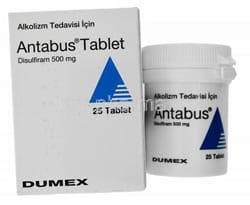
Buy Antabuse Online: Best Prices and Fast Shipping
Mechanism of Disulfiram and the Alcohol Reaction
Imagine your body’s natural ability to process a drink is suddenly sabotaged by a biological roadblock. When you consume alcohol, your liver normally breaks it down into acetaldehyde, a toxic byproduct, which is then swiftly neutralized into harmless acetic acid. This process is like a high-speed conveyor belt in a factory.
Antabuse steps in like a rogue worker who jams the entire assembly line. By inhibiting the enzyme acetaldehyde dehydrogenase, the medication causes acetaldehyde to pile up in your bloodstream. It’s not just a minor delay; it is a massive, toxic bottleneck that turns a single sip of wine into a medical emergency.
This chemical buildup triggers a violent physical revolt. Within minutes, the body realizes something is terribly wrong. It isn’t a subtle feeling of being unwell; it is an aggressive, full-body rejection of the substance that was intended to be a social lubricant.
The Physical Toll of the Reaction
The symptoms of a disulfiram-alcohol reaction hit like a freight train. Most patients experience sudden, intense flushing of the face and neck, accompanied by a pounding headache. It feels as though your skin is on fire, making even the slightest touch feel uncomfortable or overwhelming.
Beyond the heat, the internal chaos is quite startling. You might endure:
- Severe nausea and projectile vomiting
- Rapid, pounding heart palpitations
- Shortness of breath or chest tightness
- Dizziness and sudden, sweating spells
This reaction is not a mere side effect; it is the drug performing its primary function. The goal is to make the idea of drinking physically repulsive. It turns the once-familiar comfort of a cocktail into a source of genuine, visceral dread and physical suffering.
Because the reaction can be so severe, doctors often monitor patients closely. In some extreme cases, the physiological stress can lead to more serious complications. It is a high-stakes biological deterrent designed to force a choice between sobriety and physical distress.
The Biological Safety Net
Think of this medication as a “safety net” made of barbed wire. It provides a powerful deterrent, but only if you stay completely away from the edge. If a person slips up and consumes even a tiny amount of alcohol, the net triggers a painful response.
This mechanism requires absolute, unwavering abstinence to be effective. Even hidden sources of alcohol, such as certain mouthwashes or cough syrups, can set off the alarm. It is a rigid, unforgiving system that leaves no room for the “just one drink” mentality.
Because of this, the “safety net” is strictly a tool for those who are fully committed. It doesn’t cure the craving, but it makes the cost of giving in to that craving incredibly high. It is a physical consequence for a psychological struggle.
Doctors often remind patients that this isn’t a magic pill. It is a biological barrier that works alongside therapy. Without the mental work of addressing addiction, the safety net might only delay the inevitable rather than preventing a complete relapse.
The Psychological Impact of Conditioning
There is a deep psychological layer to this conditioned response. Over time, the brain begins to associate the smell or taste of alcohol with the impending disaster. It’s a form of classical conditioning, much like Pavlov’s famous experiment, but with much more unpleasant consequences.
This creates a powerful mental barrier. When a person thinks about drinking, the brain may trigger a sense of anxiety or even physical discomfort in anticipation. This “anticipatory dread” can be a lifesaver, helping the individual navigate high-risk social situations or stressful moments.
However, this conditioning can also be a heavy burden to carry. The constant vigilance required to avoid accidental exposure can lead to significant mental fatigue. It is a mental marathon that requires immense willpower and a very strong support system to sustain.
Ultimately, the psychological goal is to rewrite the internal narrative. Instead of alcohol being a reward, it becomes a threat. This shift in perception is often the most difficult part of the entire treatment journey for many patients.
Standard Dosage Protocols and Administration
Navigating the daily regimen of this medication requires precision. Most patients begin on a relatively low dose, typically around 250 mg, to see how their body reacts. As the treatment progresses, a physician might increase this to 500 mg or even 2,500 mg daily depending on the clinical goal.
It is not a “one size fits all” scenario in a doctor’s office. The dosage is often a moving target, adjusted like a fine-tuned instrument. Physicians carefully weigh a person’s body mass against their ability to tolerate the initial side effects before moving to higher, more intensive maintenance levels.
Consistency is the golden rule here. Missing a dose or taking it at irregular intervals can undermine the entire biological barrier. Think of it as a shield that needs constant recharging; if you let the battery run low, you are left completely unprotected against the temptation of a drink.
Doctors keep a close eye on how patients respond to these increments. If a patient feels excessively nauseous or lightheaded, the doctor might scale back. It is a delicate dance between achieving a high enough level of deterrent and ensuring the patient can actually live with the regimen.
Timing and Nutritional Requirements
Timing is everything when it comes to swallowing that pill. You cannot simply pop it out of a bottle and walk out the door on an empty stomach. Taking it with a full, substantial meal is non-negotiable for most people to minimize stomach upset.
If you try to take it on an empty stomach, you might find yourself feeling quite unwell. The nausea can be quite intense, making the medication feel like an enemy rather than a tool. A hearty breakfast or dinner provides a buffer that helps settle the digestive tract.
It is best to take the medication at the same time every single day. This regularity helps maintain a steady level of the drug in your system. When you treat it like a strictly scheduled ritual, you reduce the risk of accidental slips or physiological dips.
Many patients find success by pairing their dose with a glass of water and a snack. This simple habit can make the difference between a smooth morning and a day spent feeling physically ill. Listen to your body, but follow the clock religiously.
The Hidden Dangers of Accidental Consumption
The most dangerous pitfall isn’t always a glass of wine at a wedding. Often, it is the invisible alcohol hiding in plain sight. You might be brushing your teeth with a mouthwash containing ethanol or taking a cough syrup that contains a significant dose.
These “hidden” sources can be a massive trap for the unwary. You might be perfectly sober, yet your body undergoes a full-blown reaction because of a medicinal ingredient. It is like walking through a minefield while thinking you are on a paved sidewalk.
Always read the labels on every over-the-counter product. If you see “alcohol” or “ethanol” listed in the ingredients, you need to proceed with extreme caution. It is better to ask a pharmacist than to face a sudden, violent physical crisis in a public place.
Many people also forget about certain foods. For example, some fermented products or even certain types of bread can contain trace amounts of alcohol. While these are usually safe for most, they can add a layer of risk if your body is highly sensitive.
Below is a breakdown of common monthly cost estimates for various treatment support options:
| Support Category | Monthly Cost Range | Typical Terms |
|---|---|---|
| Standard Prescription | $45 – $150 | Varies by insurance |
| Therapy Co-pay | $30 – $80 | Per session basis |
| Nutrition Program | $100 – $250 | Monthly subscription |
| Support Group Access | $0 – $20 | Often community-led |
Current Market Costs and Pricing in USD
Opening your wallet for long-term recovery can feel like a heavy burden. When you look at the retail landscape, the price tag for a 30-day supply often fluctuates significantly. You might see a sticker price that makes your eyes water if you are paying entirely out of pocket without any assistance.
Generally, patients can expect to see retail price ranges for a standard 30-day supply falling between $150 and $500. This range is quite broad because several factors influence the final number. It is not as simple as walking into a shop and seeing a single, fixed price on the shelf.
The total cost depends heavily on your specific dosage and the manufacturer. A higher milligram dose will naturally drive that monthly total toward the upper end of the spectrum. It is wise to ask your pharmacist for a breakdown before you leave the counter to avoid any nasty surprises.
For those navigating the market, it helps to keep a mental tally of these potential expenses. Being prepared for the “worst-case” price ensures that financial stress does not become a new trigger for relapse. Stability in your budget is just as vital as stability in your sobriety.
Brand-Name vs. Generic Disulfiram
The battle between the brand-name Antabuse and generic disulfiram is a classic tale of cost versus familiarity. Many people find themselves at a crossroads when they see the price difference. The brand-name version often carries a premium that can feel steep for those on a tight budget.
Generic disulfiram is typically the much more affordable route for the average consumer. It contains the exact same active ingredient, performing the same chemical heavy lifting in your system. Choosing the generic option is often like buying the store brand of cereal; it gets the job done without the fancy box.
However, some patients swear by the brand-name because of the consistency in pill texture or coating. They feel the generic version might behave differently in their stomach, though science suggests they are identical. It is a personal choice that often pits your wallet against your peace of mind.
If you want to save some serious cash, ask your doctor to write the prescription specifically for the generic. Most pharmacies will default to the most cost-effective version if they are able. It is a small step that can save you hundreds of dollars over the course of a year.
The Impact of Insurance Coverage
Insurance is the great equalizer, but it can also be a source of immense frustration. For many, a well-structured plan turns a $400 pill into a manageable $30 or $50 co-pay. Without that safety net, the medication can feel like a luxury rather than a medical necessity.
It is important to understand your “out-of-pocket maximum” before you dive into long-term treatment. If you have already met your deductible for the year, your costs might drop to almost nothing. Conversely, if you haven’t hit that threshold, you might be paying the full negotiated rate.
Some plans might classify this medication under a “specialty drug” tier. This can change the math entirely, often requiring a higher co-insurance percentage. It is like playing a game where the rules change depending on which card you draw from the deck. Always call your provider to verify your specific coverage.
Don’t be afraid to ask about “prior authorization” requirements. Sometimes, the insurance company wants to play gatekeeper, demanding that your doctor proves you need this specific drug before they agree to pay. It can be a bureaucratic headache, but it is a hurdle worth clearing to keep your costs low.
Pharmacy Chains and Online Providers
Where you pick up your prescription can change the math quite a bit. Large national pharmacy chains often have high overhead, which can lead to higher retail prices. On the other hand, they might offer loyalty programs that shave a few dollars off your total bill.
Online pharmacies have become a massive disruptor in the landscape recently. They often provide much lower prices because they operate with much lower overhead costs. For many, these digital providers are the most economical way to maintain a steady supply without breaking the bank.
However, you must be a bit of a detective when using online services. Always ensure the provider is legitimate and holds the proper certifications to prevent receiving counterfeit or subpar medication. It is a digital minefield, and you want to make sure the ground beneath you is solid.
Compare the prices between a local corner shop and a mail-order service before you commit. A quick phone call can save you a significant amount of money over a six-month period. In the world of healthcare, being a savvy shopper is a vital skill for survival.
- Local Retail Pharmacy: $150 – $450 per month
- Large National Chain: $120 – $350 per month
- Online Mail-Order: $50 – $200 per month
- Insurance Co-pay: $10 – $100 per month
Sourcing and Purchasing Options
Navigating the landscape of medication procurement is a bit like wandering through a dense forest without a compass. You might find a clear path at a local brick-and-mortar pharmacy, or you might stumble upon the digital convenience of a telehealth service. Both have their merits, but the experience is vastly different.
Walking into a local pharmacy allows for a face-to-face conversation with a pharmacist. This human connection is invaluable if you have sudden questions about side effects or storage. There is a certain comfort in seeing the physical bottle in your hand before you walk out the door with your medicine.
Telehealth services, conversely, are the modern sprinter of the medical world. They offer unmatched convenience for those who cannot easily visit a clinic. You can manage your entire treatment from your living room, making it a lifesaver for those with busy schedules or mobility issues. It is a streamlined, digital-first approach.
However, convenience can sometimes be a double-edged sword. While telehealth saves time, you must ensure the provider is truly connected to a legitimate medical practice. You don’t want a “doctor-by-email” service that lacks the clinical rigor required for a medication as sensitive as disulfiram.
The Necessity of Professional Oversight
You cannot simply grab this medication off a shelf like a bag of chips. A valid prescription from a licensed medical professional is the absolute bedrock of the entire process. Without that official document, no legitimate pharmacy in the country will touch your request or fill your order.
This isn’t just about following the law; it is about your personal safety. Because this drug interacts violently with alcohol, a doctor must monitor your health closely. They need to ensure your liver and kidneys are up to the task before you ever take that first pill.
Think of a doctor’s prescription as a golden ticket that validates your medical need. It serves as a safeguard, ensuring that the treatment is appropriate for your specific biology. Attempting to bypass this step by seeking “unregulated” sources is a dangerous gamble that you should never take.
If your prescription has expired or you are switching providers, don’t panic. This is a common hiccup in the journey of long-term recovery. Just stay in constant communication with your healthcare team to ensure your refills are processed without any sudden, unexpected gaps in your supply.
Verifying Online Legitimacy
The internet is a vast ocean, and unfortunately, it is home to many digital pirates. When you look for online pharmacies, you might encounter sites that look incredibly professional but are actually selling dangerous counterfeits. These fake pills might contain nothing at all, or worse, toxic substances.
To protect yourself, always look for a “VIPPS” seal or similar pharmacy accreditation on the website. These certifications act like a badge of honor, proving the site meets strict safety standards. If a site looks a bit “shady” or offers prices that seem too good to be true, trust your gut.
Another red flag is a website that refuses to ask for a prescription or offers to sell medication without any medical consultation. A legitimate online pharmacy will always require you to upload a valid script from a doctor. If they skip this step, they are likely operating in the shadows.
Always check for a physical address and a working phone number on the “Contact Us” page. A ghost company with no way to reach a real person is a massive warning sign. You want a provider that stands behind their service and is easy to hold accountable.
The Role of Specialty Pharmacies
As you transition into long-term maintenance, you might find that a specialty pharmacy becomes your best friend. These are not your average corner stores; they are specialists designed to handle complex, high-touch medications. They understand the nuances of long-term stability and the importance of consistency.
Specialty pharmacies often excel at managing refills automatically, which takes a huge weight off your shoulders. They can coordinate directly with your insurance provider to navigate the “prior authorization” hurdles mentioned earlier. It is like having a professional navigator helping you steer through a rocky sea.
They are also experts at managing the logistics of sensitive shipments. If your medication requires specific temperature controls or very careful handling, these professionals are equipped to manage that. They turn a potentially stressful logistical nightmare into a routine, predictable part of your daily life.
Using a specialty pharmacy can also help you stay ahead of the curve regarding cost. Because they deal with these specific drugs daily, they often have more streamlined ways to assist with patient assistance programs or manufacturer coupons. They are built to support your long-term success, not just make a quick sale.
Shipping Logistics and Delivery Safety
Navigating the final stretch of your medication journey involves more than just a click of a button. Once your prescription is verified, the clock starts ticking. You might find yourself checking the porch every hour, hoping your package has arrived to keep your recovery on track without a single missed dose.
Domestic orders typically arrive within 3 to 7 business days, depending on how far you live from the central pharmacy. If you live in a remote area, you might need to pad your timeline by a few extra days. It is always wise to plan ahead to avoid any sudden gaps.
International shipping is a different beast entirely. It can take anywhere from two to four weeks, depending on customs and local postal services. I have seen patients get anxious when a package gets stuck in a customs backlog. Always verify if your specific country allows the importation of disulfiram before ordering.
Timing is everything when it comes to your health. If you are running low, do not wait until the bottom of the bottle to reorder. Aim to have your next shipment arrive at least a week before you run out. This provides a safety net against unexpected weather delays or carrier hiccups.
Discreet Packaging and Privacy
Privacy is a cornerstone of a successful recovery journey. Many patients feel a sense of anxiety about their neighbors seeing a package labeled with a highly specific medication name. You shouldn’t have to worry that your private medical history is being broadcast to the entire neighborhood on your doorstep.
Reputable pharmacies understand this deeply. They use plain, unmarked outer boxes that look like any other standard e-commerce delivery. The contents are typically tucked inside a generic white or brown box. This layer of discretion ensures that your business remains strictly between you and your healthcare provider.
When you receive your shipment, look for a “neutral” return address on the label. It should ideally reflect the pharmacy’s name or a generic logistics company rather than a specific medical facility. This small detail acts as a shield, protecting your dignity and your personal privacy from prying eyes.
If you are living with family or roommates who do not know about your treatment, this discretion is even more vital. A discreet arrival prevents unwanted questions or awkward conversations. Your recovery is your journey, and how you manage your privacy is a fundamental part of that personal autonomy.
Maintaining Stability During Transit
Temperature is the silent enemy of many medications. Antabuse is sensitive to extreme heat and moisture, which can cause the chemical composition to degrade over time. If a package sits in a hot delivery truck for days, the pills might lose their effectiveness before they ever reach you.
Most pharmacies use climate-controlled packaging for sensitive shipments. This might include insulated liners or specialized moisture-absorbent packets within the box. These small additions act like a bodyguard, protecting the integrity of the medication against the harsh elements of the shipping process and varying weather conditions.
Once your package arrives, do not let it sit on the porch in the sun. Bring it inside immediately to a cool, dry place. Storing it in a bathroom is a bad idea due to the humidity from showers. A cool cupboard in a bedroom is usually the safest bet.
If you notice any unusual discoloration or a strange smell when you open the bottle, do not take the medication. It is better to be safe than sorry. A compromised pill is a wasted pill, and your health is far too important to gamble on questionable chemical stability.
Handling Damaged or Incomplete Shipments
Sometimes, things just go sideways. A delivery driver might drop a box, or a shipping carrier might lose a package in their vast warehouse system. If your package arrives looking crushed, torn, or clearly tampered with, you need to take immediate action to protect your health and your wallet.
First, document everything. Take clear photos of the damaged box and the state of the medication inside. This visual evidence is your best friend when you file a claim with the pharmacy or the carrier. Think of it as your insurance policy in case things get complicated later.
Do not attempt to “fix” a broken bottle or use pills that look crumbled. If the seal is broken, the integrity of the drug is compromised. Contact the pharmacy’s customer service department immediately. Most legitimate providers will have a protocol for replacing damaged goods at no extra cost to you.
If the shipment is missing entirely, check with your neighbors and your local post office first. If it still hasn’t turned up, request a tracking investigation from the carrier. Most pharmacies will resolve these issues quickly, but being proactive is the key to ensuring your treatment remains uninterrupted.
| Issue Type | Immediate Action | Estimated Resolution |
| Damaged Packaging | Take photos and contact pharmacy | $0 replacement fee |
| Missing Package | Check tracking and neighbors | 7-10 business days |
| Incomplete Order | Verify against packing slip | Reshipment of missing items |
Comparing Antabuse with Other Sobriety Aids
Choosing a path toward sobriety often feels like standing at a crossroads with no clear signage. For some, the goal is a psychological barrier, while for others, it is a way to quiet the loud, persistent whispers of a craving. Understanding these tools is like learning the different instruments in an orchestra; each plays a unique role in the grand symphony of recovery.
Antabuse, known scientifically as disulfiram, operates on a principle of “consequence.” It doesn’t stop you from wanting a drink, but it ensures that if you do, the experience is utterly miserable. It is a biological booby trap. It waits in the background, ready to trigger a physical reaction that makes alcohol feel like poison.
In contrast, medications like Naltrexone and Acamprosate take a more subtle, internal approach. They don’t punish the body for consuming alcohol; instead, they try to dampen the fire of desire. They aim to lower the volume of the urge, making it easier to say “no” when temptation inevitably knocks on the door during a difficult night.
Deciding between these options isn’t a one-size-fits-all situation. A doctor must weigh your personal history, your current level of stability, and your temperament. Some people find the strictness of disulfiram provides the accountability they need, while others find the “craving reduction” method far more sustainable for long-term peace of mind.
The Deterrent versus the Craving Reducer
Think of the disulfiram approach as a heavy padlock on a door. It is a deterrent. If you try to open that door with alcohol, the lock snaps shut and triggers an alarm. It is a high-stakes game of chicken. This method relies heavily on the patient’s commitment to avoid alcohol at all costs to avoid sickness.
Naltrexone and Acamprosate, however, work more like a thermostat. They don’t lock the door; they just turn down the heat. Naltrexone blocks the “reward” signals in your brain, making the act of drinking feel less satisfying. It’s like eating a meal that tastes like cardboard; the urge might be there, but the prize is gone.
Acamprosate is even more specialized, focusing on the brain’s chemistry to stabilize the “seesaw” of neurobiology. It helps smooth out the waves of anxiety and restlessness that often lead to relapse. It doesn’t stop the pleasure of drinking, but it helps steady the ship so you aren’t tossed about by the sudden storms of withdrawal.
Ultimately, the “deterrent” method is about fear of the reaction, whereas the “craving reduction” method is about reducing the pull of the substance. One focuses on the consequences of drinking, while the other focuses on the impulse to drink. Both can be life-saving, but they require very different mental mindsets to work effectively.
Finding the Right Fit for Your Stage of Recovery
The journey of sobriety is rarely a straight line; it’s more of a winding mountain path. In the early, white-knuckle days of abstinence, some find the “guardrail” of Antabuse incredibly helpful. When the urge to drink is an overwhelming tidal wave, having a chemical safety net that prevents the act can provide much-needed time to build new habits.
As you move into the maintenance phase—the long haul where life gets complicated again—many transition to medications like Naltrexone. At this stage, you aren’t just fighting the initial withdrawal; you are fighting the social urge to grab a drink at a wedding or a bar. A craving reducer can help navigate these social minefields without the intense fear of a reaction.
For those managing long-term stability and focusing on brain health, Acamprosate is often a preferred companion. It is particularly useful for those whose primary struggle is the persistent, nagging “itch” to consume. It helps keep the neurological scales balanced, allowing the individual to focus on their psychological and spiritual growth rather than just survival.
Timing is everything in this process. Taking a “heavy hitter” like disulfiram when you are already feeling highly unstable might be risky due to its intense side effects. Conversely, using a mild stabilizer during an acute crisis might not be strong enough to prevent a slip. It is a delicate dance of matching the tool to the terrain.
Evaluating Side Effects and Practical Realities
Every tool in the medical kit comes with its own set of trade-offs. Antabuse is famous for its “disulfiram reaction”—nausea, flushing, and a racing heart. It can feel quite intense, almost like a panic attack. This is why it requires such strict adherence; you cannot “cheat” the system without feeling the immediate physical toll.
Naltrexone is generally viewed as having a milder side effect profile, though it can still cause nausea or fatigue. For some, the main “side effect” is actually the psychological sensation of not getting the “high” they expect from alcohol. It is a subtle shift, but one that requires a period of adjustment as the brain recalibrates its reward system.
Acamprosate is often touted for being quite gentle on the body, making it a favorite for those with various health concerns. However, it can sometimes cause digestive upset or changes in mood. It is less about a sudden, violent reaction and more about a gradual, steadying influence on your internal chemistry and daily comfort.
When weighing these options, cost and accessibility also play a role. While a consultation might cost $150 to $300, the monthly cost of the medication itself varies wildly. It is essential to discuss the long-term financial and physical impact with your provider to ensure your chosen path is sustainable for your lifestyle.
| Medication | Primary Mechanism | Key Advantage | Primary Drawback |
| Antabuse | Deterrent (Reaction) | Strong accountability | Severe physical reaction |
| Naltrexone | Craving (Reward) | Reduces pleasure of drinking | Potential for nausea |
| Acamprosate | Craving (Stability) | Stabilizes brain chemistry | Less effective for immediate “stop” |
Critical Safety Precautions and Contraindications
Think of this medication as a high-voltage wire; it is incredibly effective, but it demands absolute respect. Because it fundamentally alters how your body processes toxins, certain medical conditions can make the risks outweigh the benefits. You shouldn’t walk into this without a clear understanding of your physical landscape.
Specifically, anyone with existing cardiovascular issues should tread very carefully. If your heart is already struggling—perhaps due to recent heart attacks, arrhythmias, or severe hypertension—the sudden physiological stress of a reaction could be catastrophic. It’s like adding a heavy weight to a bridge that is already showing signs of structural fatigue.
People with certain neurological or psychiatric conditions must also be vetted by a specialist. If you have a history of seizures or significant cognitive impairment, the physiological “shock” to the nervous system might trigger an adverse event. Doctors won’t take any chances here; they need to ensure your brain chemistry can handle the intensity of the deterrent.
It is also vital to consider liver function. Since the medication is processed through the liver, anyone dealing with active hepatitis or advanced cirrhosis is generally disqualified. Pushing the liver to process this drug while it is already struggling to manage other toxins is a recipe for significant medical trouble.
Navigating Hidden Interactions
The “danger zone” isn’t just limited to alcohol itself. Many people find themselves caught off guard by common, over-the-counter remedies that can spark a reaction. It is a bit like playing a game of Minesweeper where even the smallest, most innocent-looking tile can trigger a massive explosion in your system.
For instance, many cough syrups and cold medications contain trace amounts of alcohol. Even a tiny sip of a “non-alcoholic” tonic might be enough to trigger the dreaded flushing and nausea. You have to become a detective, reading every single label on every bottle in your medicine cabinet to ensure safety.
Other interactions can be more subtle but just as impactful. Certain antihistamines or skin treatments might cross paths with the medication’s metabolic pathway. Always assume that any new pill, even one you bought for a simple headache, could potentially interfere with your progress or cause an unpleasant physical response.
To stay safe, keep a detailed list of everything you consume. If you are unsure about a supplement or a new over-the-counter remedy, don’t guess—ask. A quick phone call to your pharmacist can save you from a very uncomfortable trip to the emergency room in the middle of the night.
Red Flags and Emergency Signs
While most side effects are manageable, there are certain “red alert” symptoms that require you to drop everything and seek medical help immediately. You shouldn’t wait for a scheduled appointment if these signs appear. Think of these as the sirens indicating that the situation has moved beyond “uncomfortable” into “dangerous.”
If you experience sudden, intense chest pain or a sensation of your heart racing uncontrollably, that is a massive warning sign. Similarly, if you suffer from severe shortness of breath or a sudden, agonizing headache, do not try to “sleep it off.” These can be indicators of serious cardiovascular strain or neurological distress.
You should also watch for signs of a severe allergic reaction, which can be quite sudden. If your throat starts to swell, you develop hives, or you find yourself struggling to swallow, call emergency services right away. These are not typical “side effects”; they are medical emergencies that require professional intervention.
Lastly, pay attention to your mental state. If you experience sudden confusion, hallucinations, or a complete loss of orientation, your brain is signaling that something is wrong. It is better to be overly cautious and visit an ER than to ignore a symptom that could lead to a long-term crisis.
The Necessity of Clinical Oversight
Starting this medication is not a “set it and forget it” process. The initial titration phase—the period where your doctor is adjusting the dosage to find the sweet spot—is the most critical window. It is a delicate calibration, like tuning a high-performance engine while the car is still running.
During these early weeks, your doctor will likely want to monitor your vitals very closely. They are looking for how your heart, liver, and nervous system react to the introduction of the drug. This supervision ensures that the dosage is high enough to be effective but low enough to remain safe for your specific biology.
You might find that the first few doses feel like a rollercoaster ride. This is often why medical supervision is non-negotiable. Having a professional to guide you through the peaks and valleys of the adjustment period provides a safety net that can prevent you from abandoning the treatment altogether.
Don’t view this frequent check-in as a burden; view it as a partnership. Your healthcare provider is there to help you navigate the physical and psychological hurdles of this transition. With their guidance, you can move from the high-stress phase of starting the drug into a more stable, long-term recovery path.