
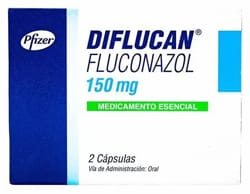
Buy Diflucan Online: Compare Prices and Order Today
How Diflucan Dosage Varies by Infection Type
Common Vaginal Yeast Infections
When a woman deals with a sudden, itchy yeast infection, the relief often feels like a breath of fresh air. Doctors typically prescribe a single 150 mg dose of Diflucan to tackle this specific issue. It is a “one and done” approach that aims to clear the discomfort without the mess of topical creams.
However, not every infection plays by the same rules. While a single pill works for many, some stubborn cases might require a second dose after a week. It is like trying to put out a small campfire; sometimes one bucket of water isn’t quite enough to stop the embers from glowing.
The cost of this single-dose treatment can vary depending on your pharmacy and insurance. You might see a price tag around $15 to $40 for generic versions. Always check with your provider to ensure you are getting the most cost-effective option for your specific medical needs.
It is vital to remember that this isn’t a “take it whenever” situation. Even if the itching vanishes within hours, the fungus might still be lurking in the shadows. Taking the medication exactly as the doctor says ensures the infection doesn’t stage a comeback next month.
Candidiasis in Immunocompromised Patients
For those with weakened immune systems, fungal infections aren’t just a nuisance; they are a serious battle. Oral candidiasis, or thrush, often requires a more aggressive strategy. In these cases, a physician might suggest a 400 mg dose daily for a week or longer to keep the yeast at bay.
The goal here is to stay ahead of the curve. Because the body’s natural defenses are a bit sidelined, the medication has to do the heavy lifting. Doctors often monitor these patients closely, checking to see if the white patches in the mouth are receding as expected.
Patients might also experience fluctuations in their health that necessitate adjustments. A doctor might move from a daily dose to a twice-weekly schedule once the infection is under control. It is a delicate dance between maintaining the drug levels and minimizing potential side effects.
If you are managing a condition like HIV or undergoing chemotherapy, your medical team is your best ally. They look at the big picture, ensuring the Diflucan works in harmony with your other treatments. Never attempt to self-adjust these high-level protocols on your own.
Systemic Fungal Infections and Severe Cases
When a fungal infection moves beyond the surface and enters the bloodstream or organs, the stakes skyrocket. This is no longer a minor inconvenience; it is a medical emergency. Systemic treatments often involve much higher doses and sometimes require intravenous administration to be effective.
In a hospital setting, the regimen is often much more intense than anything you would find in a standard pharmacy. Doctors may prescribe 400 mg to 800 mg daily, depending on the severity and the specific site of the infection. It is a heavy-duty approach for a heavy-duty problem.
The complexity of these cases means that “standard” dosing doesn’t really exist. Every patient’s body responds differently to the chemical onslaught. A physician will often use blood tests to fine-tune the dosage, acting like a navigator steering a ship through a violent storm.
Because these infections can be life-threatening, the timing of each dose is critical. Missing a dose in a systemic battle can give the fungus a window to multiply rapidly. It is a constant race against time to restore the body’s internal balance.
The Necessity of Prescribed Schedules
Think of your prescription like a recipe for a complex cake; if you skip an ingredient or change the oven temperature, the whole thing fails. Following the exact schedule laid out by your doctor is the only way to ensure the medication works as intended.
Some people feel a bit better after two days and decide to stop taking their pills. This is a dangerous gamble. It is like leaving a thief halfway through a robbery; they might run, but they will almost certainly come back with reinforcements.
Your physician has calculated the dosage based on your weight, age, and kidney function. These variables are the foundation of your treatment plan. Deviating from the script can lead to drug resistance, making the infection much harder—or even impossible—to treat later on.
If you find the side effects are making you feel under the weather, don’t just quit. Call your doctor instead. They might be able to adjust the timing or the dose to make it more tolerable for you while still keeping the fungus in check.
Current Market Pricing for Fluconazole Tablets
Navigating the pharmacy aisles can sometimes feel like wandering through a financial labyrinth. When you walk up to the counter with a prescription for 150mg tablets, the price tag might catch you off guard. On average, you can expect to pay between $15 and $40 for a single-dose generic version depending on your location.
It is a bit like buying a coffee; the brand on the cup changes the experience, but the caffeine is essentially the same. For many, the choice is a simple matter of budget. While the generic option is the clear winner for the wallet, some patients prefer the peace of mind that comes with the original label.
However, the “brand-name” factor can drive prices through the roof. While generic fluconazole is the workhorse of the industry, the branded Diflucan carries a premium. This price gap exists because the manufacturer invests heavily in marketing and research, which ultimately gets passed down to the consumer at the register.
If you are on a tight budget, the generic route is a lifesaver. It provides the exact same active ingredient without the hefty markup. It’s the “store brand” equivalent of medicine—just as effective, but much kinder to your bank account during those unexpected health hiccups.
Price Comparison and Variation Factors
The difference between generic and brand-name options is often quite stark. You might find that a single 150mg brand-name pill costs significantly more than a generic counterpart. It’s a classic case of paying for the name on the box rather than the chemistry inside the capsule.
Pharmacy markups also play a massive role in what you ultimately pay. Every local drugstore has its own way of doing business, and some may charge a premium for convenience. It is worth calling around to a few different locations to see who offers the best deal on your script.
Insurance coverage can be the ultimate wild card in this equation. Depending on your plan, your co-pay might be a flat fee or a percentage of the total cost. Some plans are incredibly generous with generics, while others might require a bit more paperwork to cover the brand-name version.
Below is a breakdown of how various pricing structures typically look for standard prescriptions. Keep in mind that these figures are estimates and can shift based on your specific insurance provider or the pharmacy’s current inventory levels.
| Option Type | Quantity/Dose | Estimated Cost |
|---|---|---|
| Generic Fluconazole | 1 x 150mg Tablet | $15 |
| Generic Fluconazole | 3 x 150mg Tablets | $30 |
| Brand-Name Diflucan | 1 x 150mg Tablet | $55 |
| Brand-Name Diflucan | 3 x 150mg Tablets | $145 |
The Impact of Bulk Purchasing
If you are dealing with a recurring issue, buying in bulk might seem like a smart move. It is often much cheaper to buy a thirty-day supply at once rather than running to the pharmacy every single morning. This “wholesale” approach can significantly lower the unit price per pill.
When you purchase multiple pills, the pharmacy often applies a discount that isn’t available for single-dose transactions. It’s a bit like buying a large bag of rice instead of those tiny individual packets. You get more for your money, and you save yourself a few trips to the store.
However, always check the expiration dates before committing to a large stack of tablets. You don’t want to be left with a mountain of medicine that is no longer effective. It is a balancing act between saving money today and ensuring you have usable medicine for tomorrow.
Always talk to your pharmacist about their bulk pricing policies. They might have coupons or discount programs that can drive the price down even further. A little bit of conversation at the counter can often save you a significant amount of cash in the long run.
Where to Buy Diflucan Safely and Legally
Navigating the landscape of online pharmacies can feel like walking through a dense fog without a flashlight. You want the convenience of your couch, but you also need the certainty that the pill in your hand is legitimate. It is a delicate dance between seeking a bargain and ensuring your safety.
Retail pharmacies are the old reliable of the medical world. When you walk into a local drugstore, you are paying for the security of a physical storefront and a licensed pharmacist standing right there. It is a “known quantity” that provides a level of comfort many people find indispensable.
On the other hand, online wholesalers often present prices that seem almost too good to be true. While these digital storefronts can offer significant savings, they operate in a much larger, more chaotic ecosystem. You must weigh the convenience of home delivery against the risks of an unverified source.
Ultimately, the choice boils down to your personal risk tolerance and your budget. Some users prefer the premium of a local shop, while others hunt for the lowest price on the web. Just remember, in the world of medicine, the cheapest option isn’t always the best one for your health.
Price Comparison: Retail vs. Wholesale
When you compare prices, the gap between a local pharmacy and a major online wholesaler can be wider than a canyon. Retailers often include “convenience fees” baked into the price of your medication. This covers the overhead of a brick-and-mortar shop, including rent and staff salaries.
Wholesale websites tend to operate with much lower overhead, which allows them to slash prices aggressively. They function like the warehouse clubs of the pharmaceutical world. If you are looking to save a few bucks on a recurring prescription, the digital route is often the most economical path.
However, you must keep a sharp eye on the shipping costs. A website might advertise a pill for $5, but by the time you pay for expedited, tracked shipping, that “deal” might vanish. Always look at the total cost in your shopping cart before you click that “buy” button.
The following table illustrates the typical pricing discrepancies you might encounter when shopping for your medication through different channels. These numbers are mere estimates to help you visualize the potential savings and the associated costs of various purchasing methods.
| Purchase Channel | Typical Price per Dose | Convenience Factor |
| Local Retail Pharmacy | $35 | High (Instant Pickup) |
| Online Wholesale | $18 | Medium (Shipping Delay) |
| Unregulated Web Vendor | $5 | Low (High Risk) |
Spotting Red Flags in Digital Pharmacies
The internet is a playground for scammers who prey on those looking for a quick fix. If a website is offering Diflucan without asking for a single question about your medical history, run for the hills. A legitimate pharmacy will never treat a prescription drug like a bag of candy.
Another major warning sign is the lack of a physical address or a working phone number on the site. If you cannot find a way to speak to a human being, you are likely dealing with a ghost ship. Real businesses want you to reach them, especially when it comes to health.
Watch out for “too good to be true” offers that bypass all legal requirements. If a site promises overnight shipping on controlled substances for a flat $10, your suspicion should be ringing like a bell. These sites often ship counterfeit or expired products that could be dangerous.
Always check for these common “red flags” before entering your credit card information:
- No requirement for a valid prescription from a licensed doctor.
- Prices that are significantly lower than any other reputable source.
- A website that looks outdated, broken, or lacks professional branding.
- The pharmacy only accepts untraceable payment methods like wire transfers.
The Necessity of a Valid Prescription
A prescription is more than just a piece of paper; it is a doctor’s professional seal of approval. It ensures that the medication you are taking is actually what your body needs. Without it, you are essentially playing Russian roulette with your internal chemistry.
Many people try to bypass the doctor to save time and money, but this is a dangerous shortcut. A physician evaluates your symptoms and medical history to ensure that Diflucan is the right tool for the job. They also check for potential interactions with other medications you might be taking.
Legally, a pharmacy cannot dispense prescription-only medication without a valid order from a healthcare provider. If a vendor tells you that “no prescription is needed,” they are operating outside the law. This lack of oversight is a massive red flag for the quality of the drugs.
Think of a prescription as your safety net. It bridges the gap between a diagnosis and your treatment. By following the legal route, you ensure that the person prescribing your medicine is accountable for your well-being and that the medicine itself is vetted.
Verifying Licensed Digital Pharmacies
If you decide to shop online, you must do your homework like a detective. The most important step is to look for the “VIPPS” seal or similar accreditation from the National Association of Boards of Pharmacy. This tells you the pharmacy has met strict standards of quality.
You can also use the “Safe Pharmacy” search tools provided by regulatory bodies. These databases allow you to check if a pharmacy is properly licensed in your specific state. It is a simple step that can prevent a massive headache—and a potential medical emergency—down the road.
Don’t be afraid to read the fine print on their privacy policy and return policy. A legitimate business will be transparent about how they handle your sensitive medical data. If their terms and conditions are a confusing mess of legalese, it might be time to move on.
Finally, check for independent reviews on third-party websites. Don’t just trust the testimonials listed on the pharmacy’s own homepage, as those are easily manipulated. Look for what real people are saying on forums or consumer protection sites to get the real story.
Shipping Logistics and Delivery Expectations
Shipping Costs and Speed
When you finally click that “order” button, the clock starts ticking. You will likely face a choice between the slow and steady route or the “get it yesterday” method. Standard shipping is often the go-to for those who aren’t in a frantic rush to treat an infection. It is the budget-friendly option for most patients.
If your symptoms are keeping you up at night, you might opt for expedited services. This comes with a premium price tag, but it buys you peace of mind. Think of it as paying for a VIP pass to skip the long lines at the pharmacy counter. Just be sure to check the fine print on the total cost.
Here is a quick breakdown of what you can typically expect to see on your final invoice before you check out:
| Service Type | Estimated Cost | Typical Speed |
| Standard Ground | $5 – $10 | 5 to 10 business days |
| Expedited Air | $25 – $45 | 2 to 3 business days |
| Overnight Delivery | $50 – $80 | Next business day |
Keep in mind that these prices are just a starting point. Some vendors might tack on extra fees for handling or insurance. It is always wise to look at the final checkout screen to ensure there are no hidden surprises waiting to jump out at you.
Temperature Control and Handling
Antifungal medications like Diflucan can be a bit finicky when it comes to the weather. While the tablets themselves are relatively sturdy, extreme heat or freezing temperatures can wreak havoc on their chemical integrity. You don’t want your medicine arriving as a useless, melted, or degraded mess.
For shipments traveling through desert climates or during a scorching summer, specialized temperature-controlled packaging becomes a necessity. This often involves insulated liners or gel packs tucked inside the box. It is a bit like sending a delicate bouquet through the mail; it requires a little extra love and care.
If you are ordering from an international source, the journey through various climate zones adds another layer of complexity. A package might start in a cool warehouse but spend three days sitting on a hot tarmac in a tropical zone. Always verify that your pharmacy uses climate-stable shipping protocols for long-haul transit.
If you notice that your package arrived looking damaged or if the seal is broken, do not assume the medicine is fine. If the environment was clearly extreme, contact your provider. It is better to be safe than to swallow a pill that has lost its potency halfway across the world.
Timelines and Tracking Your Package
The wait can feel like an eternity when you are feeling unwell. Domestic orders within the same country usually move like a well-oiled machine, arriving within a week if you choose standard shipping. International orders, however, are a different beast entirely. They often have to clear customs, which is a notorious bottleneck.
Customs inspections are the wild card of the shipping world. A package might sit in a warehouse for days while an officer verifies the contents. Because of this, international timelines are often estimates rather than promises. If you are in a hurry, stick to domestic suppliers to avoid the bureaucratic headache.
Once your package leaves the warehouse, you shouldn’t be left in the dark. Most reputable pharmacies provide a tracking number via email. This allows you to watch your package move through various checkpoints, from the local sorting facility to the delivery truck. It is like watching a slow-motion race to your front door.
If your tracking information hasn’t updated in several days, don’t panic immediately. Sometimes, packages get stuck in a “digital limbo” while being scanned at different hubs. However, if the status doesn’t move for a week, it is time to pick up the phone and call the pharmacy to see what’s happening.
Diflucan vs. Generic Fluconazole Alternatives
When you step into a pharmacy, you are often met with a crossroads. On one side sits the brand-name Diflucan, a name that carries a certain weight of trust. On the other side are the generic fluconazole options, which look almost identical in their blister packs but carry a much lighter price tag. It is a classic dilemma of perception versus reality.
Chemically speaking, these generics are essentially twins. The FDA requires that generic versions contain the same active ingredient, strength, and dosage form as the original brand. They must work in the body in the exact same way to ensure the infection is actually fought. It is not just a marketing trick; it is a matter of strict regulatory standards.
However, the “glue” that holds a pill together—the inactive ingredients—can vary slightly between manufacturers. While these fillers don’t change how the medicine fights the fungus, they might affect how quickly a pill dissolves. For most, this difference is as negligible as the difference between two brands of bottled water, but it is worth noting.
If you are looking at the long-term math, the difference is staggering. For a patient dealing with a chronic or recurring fungal issue, you might find yourself popping a pill every week or month. Over a year, those small savings per pill start to snowball into significant chunks of cash that could be better spent elsewhere.
Let’s look at how the math actually shakes out for a typical long-term user. I’ve seen patients spend hundreds of extra dollars a year just because they stayed loyal to a brand name out of habit. When you’re managing a condition that feels like a marathon, every dollar saved is a victory for your wallet.
| Treatment Duration | Diflucan (Brand) Est. Cost | Generic Fluconazole Est. Cost |
| 1 Month Supply | $45 – $60 | $10 – $20 |
| 6 Month Supply | $270 – $360 | $60 – $120 |
| 1 Year Supply | $540 – $720 | $120 – $240 |
Despite the obvious financial perks of going generic, many patients still cling to the brand name like a life raft. There is a psychological comfort in knowing you are taking the exact same thing your doctor originally prescribed. For some, the extra $30 per month is simply a “peace of mind” tax they are willing to pay.
I once spoke with a patient who refused to switch to generics because they feared the pills would be “less potent.” This is a common myth, but it is a stubborn one. They felt that if the generic didn’t work as well, they would end up back in the doctor’s office paying for a consultation. It is a fear-based cycle.
Sometimes, the preference is about the physical experience. If a specific brand of Diflucan is easier to swallow or doesn’t cause a mild stomach upset, a patient might stick with it. While the active drug is the same, the dyes or coatings can differ, and for sensitive stomachs, that small detail feels like a mountain.
If you are managing a chronic infection, you don’t have to choose between your health and your bank account. You can be smart about your refills. One of the best ways to save is to ask your physician if they can write the prescription for “fluconazole” rather than “Diflucan” specifically. This simple wording change opens the floodgates to cheaper options.
Another pro-tip is to look into 90-day supplies rather than 30-day increments. Most pharmacies offer a discount when you buy in bulk, and it saves you from paying multiple shipping fees if you are ordering online. It’s like buying in bulk at the grocery store; the unit price drops significantly, leaving more money in your pocket.
Finally, always keep a close eye on manufacturer coupons or pharmacy loyalty programs. Sometimes, the brand-name version might actually be cheaper for a short window due to a massive promotion. It sounds counterintuitive, but being a savvy consumer means checking both sides of the aisle before you hit that “buy” button.
Common Usage Scenarios and Timing
Managing Recurrent Infections
For some, a yeast infection isn’t just a one-off nuisance; it feels like an uninvited guest that refuses to leave. When infections strike more than four times a year, doctors often pivot from reactive treatment to a proactive strategy. This is where prophylactic dosing enters the conversation, acting like a protective shield against future outbreaks.
Instead of waiting for the itching and discomfort to reach a breaking point, a physician might prescribe a steady, scheduled dose. Think of it as a maintenance plan for your body’s internal ecosystem. This approach aims to keep the fungal population in check before it ever has a chance to stage a full-scale rebellion.
It is a marathon, not a sprint, when dealing with chronic issues. While the goal is to stay symptom-free, the regimen often involves taking a dose once a week or even once a month for several months. It is a long-term investment in your comfort, ensuring that you aren’t constantly playing catch-up with a persistent problem.
The effectiveness of this strategy relies heavily on consistency. If you skip the “maintenance” doses, you are essentially leaving the door unlocked for the fungus to walk right back in. It might feel like overkill when you feel perfectly fine, but that is precisely when the medicine is doing its most important work behind the scenes.
Acute Symptom Relief
On the other hand, most people only reach for their medication when things have already gone south. This is the “firefighting” mode of treatment, where you use a single dose to douse the flames of an active infection. It is meant for those sudden, uncomfortable spikes of irritation that catch you off guard.
When you feel that familiar, unmistakable itch, time becomes your greatest enemy. You want relief yesterday, not next week. In these acute scenarios, the medication works to halt the rapid multiplication of yeast cells, helping your body regain its natural balance. It’s a quick strike intended to stop the discomfort in its tracks.
However, relying solely on acute relief can be a slippery slope. If you find yourself constantly reaching for that “emergency” pill, it might be a sign that the underlying issue isn’t being fully addressed. It is like putting a bandage on a wound that actually needs stitches; it covers the surface but ignores the deeper cause.
Always listen to your body’s signals. If a single dose doesn’t bring the relief you expected, don’t just double up on your own. A quick call to your healthcare provider is much safer than trying to play doctor with your dosage. They can determine if you need a different approach or perhaps a different type of medication altogether.
The Importance of Timing
Timing is everything when it comes to how this medication interacts with your system. For acute relief, you want to take the pill as soon as you notice the first signs of trouble. Delaying the dose can allow the fungal colony to grow larger, making the eventual recovery a much steeper uphill battle.
When it comes to the prophylactic, “timing” means sticking to the calendar. If your doctor says to take it every Sunday, don’t decide that Tuesday is a better day for your schedule. The medication maintains a certain level of concentration in your bloodstream; breaking that rhythm can create gaps where the fungus can thrive.
It is helpful to think of the medication as a tide. You want to keep the levels steady so the “fungal tide” never has the chance to rise. If you wait until you are feeling terrible to take a maintenance dose, you have already lost the battle of prevention. Consistency is the secret sauce of efficacy.
Many patients find success by tying their dose to a daily habit, like brushing their teeth or taking a morning vitamin. This mental link makes it much harder to forget. In the world of fungal prevention, being a little bit obsessive about your schedule is actually a very smart way to stay healthy.
Handling Missed Doses
Life happens, and sometimes a dose slips through the cracks. You might be traveling, or perhaps you simply had a hectic day and forgot. If you realize you missed a dose, the general rule of thumb is to take it as soon as you remember, unless it is almost time for your next one.
If you are already close to your next scheduled dose, just skip the missed one. Whatever you do, do not attempt to “make up for lost time” by taking a double dose. Taking too much at once can increase the risk of side effects like nausea or abdominal pain, which is the last thing you need.
If you are on a long-term maintenance plan and miss a week, don’t panic. One missed dose doesn’t mean the whole treatment is ruined, but it does mean you should get back on track immediately. Think of it as a minor detour on a long road trip; you just need to get back on the highway as soon as possible.
If you find that you are frequently missing doses, it might be time to look at your routine. Set a recurring alarm on your phone or use a pill organizer. It is much easier to manage a small habit now than to deal with a recurring infection that costs you more money and discomfort later.