
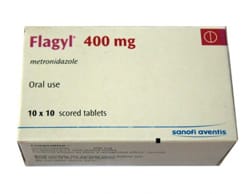
Buy Flagyl Online at the Best Prices Today
Clinical Applications and Common Uses
Tackling Anaerobic Infections
Imagine a tiny, invisible army invading your digestive tract. While most germs are harmless neighbors, certain anaerobic bacteria act like unruly squatters. This is where metronidazole, commonly known by its brand name Flagyl, steps into the ring. It works like a specialized security force, specifically targeting those stubborn microbes that thrive in low-oxygen environments.
Doctors often prescribe this medication to clear up giardia infections. If you have ever felt like your stomach was a stormy sea after a questionable meal, it might be these parasites at work. Flagyl works by disrupting the DNA of these invaders, effectively neutralizing their ability to multiply and cause further havoc within your gut.
It is also a heavy hitter against amebic dysentery. This isn’t just a simple stomach ache; it is a serious condition that can leave a person feeling utterly drained. By wiping out the amoebas, the medication helps restore order to the intestinal landscape, allowing the body to begin its natural healing process without constant disruption.
Beyond the gut, it tackles various pelvic infections. Sometimes, bacteria migrate where they don’t belong, causing inflammation that can lead to long-term complications. Think of the medication as a precision tool designed to find the source of the fire and extinguish it before it spreads to neighboring tissues.
Surgical and Dental Support
In the operating room, surgeons often rely on this medication to prevent post-operative complications. When a procedure involves the abdominal or pelvic regions, the risk of infection can be quite high. It acts as a vital safeguard, ensuring that the surgical site remains clean and free from the creeping threat of anaerobic growth.
Dentistry is another unexpected battlefield for this drug. If you have ever experienced a throbbing, relentless toothache, you might be dealing with a deep-seated infection. Dentists frequently use it to supplement antibiotics when fighting stubborn dental abscesses or periodontitis. It hits the germs where they live, deep within the gumline.
The effectiveness of the drug in these scenarios is quite remarkable. It doesn’t just mask the pain; it addresses the root cause. While a dentist handles the physical cavity, the medication manages the biological war happening beneath the surface, working in tandem with other treatments to ensure a smooth recovery.
Patients should always follow the prescribed course, even if they start feeling better after a day or two. Stopping early is like leaving a half-finished construction project; the foundation remains unstable. You want to ensure every last microbe is dealt with to prevent the infection from making a comeback.
Commonly Treated Conditions
To give you a clearer picture, let’s look at the specific conditions where this medication is most frequently deployed by medical professionals. It is a versatile tool in the clinical toolkit, used across various specialties to manage different types of bacterial and parasitic invasions.
- Trichomonas vaginalis: A common parasitic infection that requires targeted treatment.
- Clostridioides difficile: A severe intestinal infection often following heavy antibiotic use.
- Bacterial Vaginosis: An imbalance of flora that causes discomfort and odor.
- Anaerobic Pneumonia: Serious lung infections caused by specific bacteria.
- C. difficile: Another way to describe the persistent, heavy-duty gut infection.
While the medicine is highly effective, it is not a magic wand. It must be paired with professional medical guidance. Always remember that the cost of treatment can vary significantly depending on whether you are purchasing the generic version or a specific brand-name option at the pharmacy.
If you are curious about the financial aspect, generic metronidazole is often quite affordable. You might see prices ranging from $10 to $30 for a standard course, depending on your location and the pharmacy. Always check with your insurance provider to see how much of the $ cost they will cover.
| Condition Type | Common Target | Primary Use Case |
| Parasitic | Giardia | Intestinal upset and diarrhea |
| Bacterial | B. fragilis | Intra-abdominal infections |
| Protozoal | Trichomonas | Genitourinary tract infections |
Standard Dosage and Administration Protocols
Navigating the world of prescriptions can feel like walking through a dense fog without a compass. When a doctor hands you a slip of paper for metronidazole, the specific timing and quantity matter immensely. It is not a “one size fits all” situation, as your unique medical history dictates the precise blueprint for your recovery.
Taking the medication at the correct intervals is vital to keep a steady level of the drug in your bloodstream. Imagine trying to put out a campfire by throwing one bucket of water every hour; you might miss the embers. Consistent dosing ensures the “fire” of infection is quenched effectively and stays out for good.
Most adults find success with a standard regimen of 250mg to 500mg taken three times daily. However, this is merely a starting point. Depending on whether you are fighting a stubborn parasite or a deep-seated dental abscess, your physician may adjust the potency or the duration to suit your specific biological needs.
Oral Administration and Timing
When swallowing your pills, always take them with a full glass of water to help them glide down smoothly. It is often recommended to take your dose with food or milk. This simple step acts like a buffer, preventing that dreaded, metallic taste from becoming too overwhelming during your meal.
The timing of your doses should be as predictable as the rising sun. If you take your first dose at 8:00 AM, try to keep the subsequent doses at regular intervals throughout the day. This rhythmic approach prevents the “peaks and valleys” in your medication levels that can lead to discomfort.
Do not attempt to crush or chew extended-release tablets unless your doctor explicitly tells you to. These pills are engineered like a slow-release spring, designed to drip the medication into your system gradually. Breaking that mechanism prematurely is like opening a dam all at once; it’s too much, too fast.
If you happen to miss a dose, don’t panic or double up on the next one. Just pick up where you left off at the next scheduled time. Doubling up is like trying to catch a falling vase by grabbing it mid-air; it often leads to a mess of side effects and nausea.
Dietary Restrictions and Warnings
There is one golden rule that you must never ignore: stay away from alcohol. Even a single glass of wine can trigger a reaction that feels like a lightning strike in your gut. This “disulfiram-like reaction” causes intense nausea, vomiting, and a racing heart that can be quite frightening.
The interaction between metronidazole and alcohol is no joke; it is a chemical clash that your body simply cannot handle well. Even if you finish your medication, keep this rule in mind for at least three days after your last pill. Think of it as a cooldown period for your system.
Some patients report a strange, bitter, or metallic taste in their mouth while taking the drug. This is a common side effect, much like the aftertaste of strong coffee. It typically fades once the treatment cycle is complete, but it can be a nuisance during your daily meals.
Always keep your healthcare provider in the loop if you notice unusual skin rashes or sudden swelling. While most side effects are mild, being proactive is your best defense. It is better to be safe than to spend a night in the emergency room over a preventable issue.
Below is a breakdown of common pricing structures you might encounter when filling your prescription at different pharmacy tiers.
| Pharmacy Type | Typical Cost Range | Coverage Terms |
| Local Retail | $15 – $45 | Standard co-pay applies |
| Online Mail-Order | $10 – $30 | Often requires prior auth |
| Generic Bulk | $8 – $20 | Best for long-term use |
| Specialty Clinic | $50 – $120 | Direct billing often available |
Estimated Cost and Price Variables
Navigating the financial side of a prescription can feel like trying to solve a puzzle with missing pieces. You might walk into a local drugstore expecting one number, only to find the total on the receipt looks quite different. This discrepancy isn’t usually a mistake; it is simply the result of a complex dance between various economic factors.
Price volatility is a real phenomenon in the pharmaceutical world. One day, a bottle might be quite affordable, but a sudden shift in supply chain logistics can send costs climbing. It is a bit like the price of gas; it fluctuates based on demand and what is happening behind the scenes in the manufacturing plants.
Understanding these fluctuations helps you avoid sticker shock at the pharmacy counter. Being prepared allows you to budget effectively for your treatment. After all, your focus should be on getting healthy, not stressing over whether your medication fits within your monthly grocery budget or your emergency savings.
Factors Influencing Your Total Out-of-Pocket Expense
The most significant lever in determining your cost is the distinction between brand-name and generic versions. While Flagyl is the famous name on the label, the generic equivalent, metronidazole, is often the much lighter lift for your wallet. It is essentially the same medicine, just without the expensive marketing attached.
Your insurance coverage acts as a massive safety net, but the shape of that net varies wildly. Some plans use a high deductible, meaning you pay the full price upfront until you hit a specific threshold. Other plans use a co-pay system, where you only pay a small, fixed amount for each fill.
The quantity of pills you receive also plays a role in the final tally. Buying a single dose might seem cheap, but a full thirty-day course carries a higher total price. Often, pharmacies offer tiered pricing where buying a larger supply reduces the cost per individual tablet significantly.
Lastly, the pharmacy you choose can make or break your budget. Large, well-known retail chains often have different pricing structures than small, independent local shops. It is worth a quick phone call to compare a few different places before you commit to a specific location.
- Generic vs. Brand Name: Generics are typically much cheaper than brand-name drugs.
- Insurance Tiering: Your specific plan’s formulary determines if the drug is “preferred.”
- Quantity Discounts: Larger quantities often offer a better value per milligram.
- Pharmacy Location: Mail-order services often beat local retail prices.
Price Comparison Overview
To give you a clearer picture, I have compiled a quick reference table. Please remember that these figures are estimates and can change based on your specific location and insurance provider. Think of this as a rough compass rather than an exact map of your upcoming expenses.
| Cost Driver | Impact on Price | Pro-Tip |
| Generic Version | Significant Reduction | Always ask for the generic first. |
| Insurance Co-pay | Variable | Check your plan’s formulary online. |
| Mail-Order Service | Moderate Savings | Great for long-term, recurring needs. |
| Retail Markup | Higher Costs | Compare prices between different chains. |
Sourcing and Safe Purchasing Practices
Navigating the Landscape of Legitimate Vendors
Walking into a pharmacy can feel like entering a different world, especially when you are just trying to get your prescription filled. You want to ensure that what you are holding is the real deal. In the digital age, the temptation to click on a random link for a “cheap deal” is incredibly high.
However, chasing the lowest price on the internet can be a dangerous game. Many illegitimate websites operate in a legal gray area, or worse, they are outright fraudulent. You might receive a package that looks right, but the contents could be nothing more than chalk or dangerous fillers.
A reliable pharmacy will always require a valid prescription from a licensed medical professional. If a website offers to ship medication directly to your door without any doctor’s oversight, consider that a massive red flag. It is better to pay a little more for peace of mind than to risk your health.
Always look for the “VIPPS” seal or similar regulatory marks on a website’s footer. These certifications indicate that the pharmacy follows strict safety protocols. It is much like checking the credentials of a mechanic before letting them touch your car; you wouldn’t trust a stranger with your engine.
Verifying Online Pharmacy Credentials
If you decide to opt for the convenience of mail-order, you must do your homework first. Don’t just take their word for it; verify their license through your state’s pharmacy board. This extra ten minutes of research can save you from a nightmare of identity theft or counterfeit drugs.
A legitimate online vendor will provide clear contact information, including a physical address and a working phone number. If the only way to reach them is through a generic contact form, proceed with extreme caution. You want to be able to speak to a real human being if something goes wrong.
Read reviews, but take them with a grain of salt. While they can be helpful, some reviews are planted, and others are written by people who are naturally angry about everything. Look for patterns in the feedback. Are people consistently complaining about late shipments or incorrect dosages?
Always check the shipping policies and return procedures before you hit the “buy” button. A reputable company will have a clear, transparent policy for handling errors. If the fine print is buried under miles of legal jargon, it might be a sign that they aren’t looking out for you.
- Check Licensing: Verify the pharmacy’s status with your state board of pharmacy.
- Look for Seals: Ensure the site displays recognized accreditation symbols.
- Avoid “No Prescription” Sites: Any site skipping the doctor step is a scam.
- Read Fine Print: Understand the return policy before committing your money.
The Risks of Unregulated Sources
It is easy to get carried away when you see a price tag that looks too good to be true. We all want to save money, but when it comes to antibiotics like metronidazole, the “too good to be true” feeling is usually a warning. Counterfeit pills are a growing problem in global markets.
These fake medications might contain the wrong ingredient entirely, or they might contain a dose that is much higher or lower than what your doctor intended. This can lead to the infection returning even more aggressively, or it could cause unexpected side effects that your doctor cannot easily treat.
Furthermore, using unverified sources can lead to significant legal and financial complications. If a package is seized by customs because it contains unapproved substances, you lose your money and you might face scrutiny from authorities. It is a headache that no one wants to deal with while trying to heal.
Stick to the tried and true methods: your local pharmacist or a well-known, accredited mail-order service. While the convenience of a random website is tempting, the risks far outweigh the potential savings. Your body is worth the extra effort of doing things the right way.
Critical Precautions and Side Effects
The Metallic Aftertaste and Digestive Hiccups
Taking metronidazole often feels like you’ve been sucking on a handful of copper pennies. This strange, metallic taste in your mouth is a classic side effect that many patients report. While it is certainly unpleasant, it is usually a harmless quirk of the way the medication interacts with your saliva and nervous system.
Beyond the taste, your stomach might decide to stage a small protest. Nausea, a dry or bitter taste, and a general sense of “upset” are quite common as your gut bacteria undergo a massive shift. Think of it as your digestive system recalibrating itself to handle the heavy lifting being done by the antibiotic.
Some people find that their appetite takes a backseat while on this medication. It is not uncommon to feel a bit “off” or perhaps even a little bit dizzy. If you feel like you are walking on a boat in choppy waters, don’t panic; just sit down and let the sensation pass.
To mitigate these pesky issues, many doctors suggest taking your dose with a full meal. This can act as a buffer for your stomach lining, potentially softening the blow of nausea. Always keep a glass of water nearby to help wash away that persistent, lingering metallic tang that seems to refuse to leave.
The Alcohol Warning and Dangerous Interactions
This is the most vital rule of thumb: do not touch a drop of alcohol while taking this medication. It is not just a suggestion; it is a strict medical boundary. Mixing the two can trigger a “disulfiram-like reaction,” which is essentially a violent biological revolt within your own body.
If you decide to have a cocktail while on Flagyl, you might experience intense nausea, vomiting, flushing, and a pounding headache. It is like your body is having a sudden, extreme allergic reaction to the combination. It can feel quite frightening, making your heart race and your skin turn bright red.
Even if you finish your prescription, you shouldn’t rush straight to the nearest pub. You must wait at least three days after your very last dose before consuming any alcohol. This waiting period ensures the medication has completely cleared your system, preventing any nasty, unexpected physiological surprises.
Beyond booze, you must keep your doctor in the loop about every supplement you take. Some vitamins or over-the-counter drugs can clash with your treatment plan. It is better to be overly cautious and ask “is this okay?” than to deal with a dangerous drug interaction later.
Commonly reported side effects include:
- Gastrointestinal distress: Nausea, vomiting, or abdominal pain.
- Neurological shifts: Dizziness, lightheadedness, or a headache.
- Sensory changes: A persistent metallic taste or skin sensitivity.
- Neuropathy: Tingling or numbness in the hands or feet.
When to Seek Immediate Medical Attention
While most side effects are mere nuisances, some symptoms are screaming for help. If you notice a sudden, itchy skin rash or hives, stop and call your doctor immediately. This could be the first sign of a serious allergic reaction that requires urgent medical intervention to prevent it from worsening.
Watch out for signs of liver distress, which can be quite subtle at first. If your skin or the whites of your eyes start to look yellowish, or if your urine turns a dark, tea-like color, seek help. This indicates that your liver is struggling to process the medication and needs a break.
Severe neurological symptoms are another red flag that should never be ignored. If you experience sudden confusion, tremors, or significant numbness in your extremities, it is time to head to the emergency room. These are not just “jitters”; they are signs that the medication is affecting your central nervous system.
Always keep a list of your current medications nearby in case you need to visit an urgent care center. Providing a clear history helps medical professionals determine if your symptoms are a direct reaction to the Flagyl or something else entirely. Being prepared is your best defense in a medical emergency.
| Severity Level | Common Symptoms | Action Required |
| Mild | Metallic taste, nausea, mild headache | Monitor and take with food |
| Moderate | Dizziness, stomach cramps, skin itching | Contact your healthcare provider |
| Severe | Yellowing skin, confusion, swelling of the face | Seek emergency medical care |
Comparison with Alternative Antibiotics
Choosing the right weapon in the fight against infection is rarely a one-size-fits-all scenario. Doctors often find themselves weighing various options based on the specific bacteria causing the ruckus. While Flagyl is a heavy hitter for anaerobic bacteria, it isn’t the only player on the field. Sometimes, a different tool is better suited for the job at hand.
Think of it like choosing the right wrench for a plumbing job. You wouldn’t use a sledgehammer to fix a leaky faucet, just as you wouldn’t use a broad-spectrum antibiotic when a targeted approach is needed. This precision is what separates a quick recovery from a long, drawn-out struggle that leaves your gut microbiome feeling like a battlefield.
Metronidazole, the active ingredient in Flagyl, has a very specific “specialty” in the microbial world. It excels where others might stumble, particularly when dealing with certain types of parasites and anaerobic bacteria. However, if the infection is caused by something else, like a common respiratory issue, this medication might be completely out of its depth.
Medical professionals often compare its efficacy and side-effect profile against other common classes. They look at how quickly the drug works, how hard it hits the stomach, and how likely it is to cause those dreaded side effects. It is a delicate balancing act between killing the bad guys and keeping your body feeling relatively normal.
Comparing Common Alternatives
When a doctor considers an alternative, they might look at Clindamycin or Ciprofloxacin. These are like different brands of heavy-duty cleaning supplies; they both get the job done, but they react differently to different surfaces. For instance, Clindamycin is often a go-to for certain skin infections but carries its own set of risks regarding digestive upset.
Ciprofloxacin, on the other hand, is a powerhouse for urinary tract infections and some respiratory issues. However, it can sometimes cause tendon issues, which is a side effect you definitely don’t want to deal with. It’s a bit like trading a stomach ache for a sore knee; both are unpleasant, but they affect totally different parts of your well-being.
Pricing can also be a significant factor when discussing these options with your pharmacist. While many generics are quite affordable, the total cost can fluctuate depending on the specific brand and the dosage prescribed. It is always wise to ask for a price comparison to see how these alternatives stack up against your budget.
Here is a quick look at how some common alternatives generally compare in terms of use and estimated cost:
| Medication Name | Primary Use Case | Estimated Cost (Generic) |
| Metronidazole (Flagyl) | Anaerobic/Parasitic infections | $15 – $30 |
| Clindamycin | Skin and dental infections | $20 – $45 |
| Ciprofloxacin | UTI and respiratory infections | $15 – $40 |
| Azithromycin | Commonly used for “Z-paks” | $10 – $35 |
It is crucial to remember that these price estimates are mere shadows of reality. Actual costs can jump significantly depending on your insurance coverage or whether you are paying out-of-pocket at a local pharmacy. Always verify the final tally before you walk up to the counter to ensure there are no surprises on your receipt.