
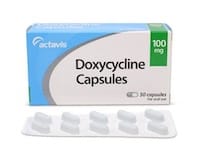
Buy Doxycycline Online at the Best Prices Today
Typical Dosage and Administration Protocols
Navigating the world of antibiotics can feel like walking through a minefield without a map. When a doctor hands you a prescription for doxycycline, they aren’t just tossing pills your way. They are following a precise blueprint. The goal is to hit the sweet spot where the drug is strong enough to kill the invaders but gentle enough for your stomach.
For acute skin infections, like a stubborn case of acne, the approach is often a marathon rather than a sprint. You might see a regimen that starts with a higher dose to knock the wind out of the bacteria. Once the infection is under control, the dosage typically drops to a maintenance level to keep the skin clear.
Respiratory issues require a slightly different playbook. When fighting off a lung infection, the concentration in your bloodstream needs to stay high and steady. Doctors often prescribe a standard daily amount that ensures the medication is always present to battle the germs. It is a delicate balancing act between efficacy and minimizing side effects.
Understanding Formulations and Timing
You might notice that some pills are designed to hit your system like a lightning bolt, while others are more of a slow burn. Immediate-release formulations enter your bloodstream quickly, making them ideal for tackling an urgent infection. However, this rapid entry can sometimes lead to a stomach revolt if you aren’t careful with your meals.
Extended-release versions are the marathon runners of the pharmacy world. They release the medication slowly over many hours, which helps maintain a steady level in your blood. This method is often preferred for chronic conditions because it reduces the peaks and valleys that can lead to nausea or dizziness.
When it comes to timing, the golden rule is all about your digestive tract. Taking doxycycline on an empty stomach is like inviting a storm into your gut. Many people find that taking it with a full glass of water and a hearty meal prevents that dreaded burning sensation. If you find yourself feeling nauseous, try shifting your dose slightly.
There is a catch to the food rule, though. Certain dairy products, like milk or yogurt, can act like a shield, preventing the antibiotic from being fully absorbed. It is a bit of a tug-of-war between protecting your stomach and ensuring the medicine actually works. Talk to your pharmacist about the best timing for your specific lifestyle.
Dosage Variations by Age and Weight
Dosage is never a one-size-fits-all affair; it is tailored to the individual, much like a custom-made suit. For adults, the milligram amounts are generally calculated based on the severity of the infection. You might see a standard dose of 100mg twice a day, but this can fluctuate based on what your doctor is targeting.
Children require a much more delicate touch. Their bodies are still growing, and their metabolic rates are different from an adult’s. Pediatric dosing is often calculated strictly by milligrams per kilogram of body weight. It is a precise science that ensures the child gets enough medicine to fight the bug without overtaxing their developing organs.
To give you a clearer picture, here is a general breakdown of how these numbers might look in a clinical setting:
- Adults (Acute Infection): Often 100mg to 200mg per day, sometimes split into two doses.
- Adults (Maintenance): Frequently 50mg to 100mg once daily.
- Children (Pediatric): Weight-based dosing, typically starting at 2.2mg/kg up to a maximum adult dose.
It is vital to remember that these are general guidelines. A doctor might adjust these numbers based on your kidney function or the specific strain of bacteria they are fighting. Never attempt to guess your dose; always follow the specific instructions printed on your prescription label.
The Danger of Inconsistency
Imagine you are trying to put out a fire, but you only throw water on it every few hours. The fire might die down momentarily, but the embers will stay hot, waiting for their chance to flare up again. This is exactly what happens when you skip doses of your antibiotic. You are essentially training the bacteria to survive.
When you miss doses, the concentration of the drug in your blood drops below the minimum inhibitory concentration. This is the level required to stop bacterial growth. Instead of dying, the bacteria are exposed to a weakened version of the drug, allowing them to adapt and develop resistance. This makes future infections much harder to treat.
Antibiotic resistance is a silent thief in the medical world. It turns once-simple infections into long-term battles. By staying consistent with your schedule, you ensure that the bacteria never get a chance to regroup or evolve. Think of it as staying on top of the enemy rather than letting them catch their breath.
If you do miss a dose, don’t panic and don’t double up to make up for it. Doubling up can lead to severe stomach issues or toxicity. Simply take it as soon as you remember, unless it is almost time for your next scheduled dose. If you find the regimen difficult to follow, reach out to your healthcare provider immediately.
Comparative Market Pricing in USD
Navigating the pharmacy aisle can feel like walking through a financial minefield. One day, a prescription seems like a breeze, and the next, you are staring at a price tag that feels like a gut punch. When it comes to doxycycline, the cost isn’t just a single fixed number; it is a moving target influenced by many factors.
The most significant factor is whether you are paying for a brand-name drug or a generic alternative. Generic doxycycline is the budget-friendly hero of the medical world. It contains the exact same active ingredients as the brand-name version but usually costs a fraction of the price. For most patients, going generic is the smartest way to keep costs low.
However, some patients find that the brand-name option offers a different level of comfort or a specific formulation that works better for their system. While the chemical makeup is identical, the brand name carries a premium that can significantly inflate your total bill. It is always worth asking your pharmacist if a generic switch is an option for you.
Supply Quantities and Dosage Strengths
The quantity you walk out of the pharmacy with plays a massive role in your wallet. A 30-day supply is often the standard for acute infections, but if you are treating a chronic condition, your doctor might prescribe a 90-day supply. While the price per pill is often lower with larger quantities, the upfront cost can be a bit of a mountain to climb.
Prescription strength also acts as a hidden variable in your final bill. A 100mg tablet might be the standard, but if your doctor prescribes 200mg tablets to reduce the number of pills you swallow, the price per unit may shift. Higher dosages or specialized capsules can sometimes trigger different pricing tiers within insurance and retail structures.
Understanding these fluctuations can help you plan your budget. It is like buying in bulk at a warehouse club; sometimes the upfront investment saves you money in the long run, but it requires more immediate cash on hand. Always ask for a breakdown of the cost differences between different supply lengths before you commit.
The following table provides a rough estimate of how different prescription setups might impact your total expenditure at a retail pharmacy:
| Prescription Type & Quantity | Estimated Cost (Generic) | Estimated Cost (Brand) |
|---|---|---|
| 100mg – 30 Day Supply | $15 – $25 | $80 – $120 |
| 200mg – 30 Day Supply | $25 – $40 | $110 – $160 |
| 100mg – 90 Day Supply | $40 – $60 | $220 – $300 |
| 200mg – 90 Day Supply | $65 – $95 | $310 – $450 |
Insurance and Online Pharmacy Options
Insurance coverage is the wild card that can either save your skin or leave you empty-handed. Depending on your plan, doxycycline might fall under a preferred tier, meaning your out-of-pocket expense is minimal. However, if you have a high deductible, you might be paying the full retail price until you meet your annual limit.
It is vital to check your formulary before you head to the pharmacy. Some plans may require a prior authorization from your doctor, which is essentially a paperwork hurdle that can delay your medication. This process can be a real headache, so it is best to clear it with your provider before the pharmacy calls you with a denied notice.
In recent years, online prescription services have become a major player in the market. These digital pharmacies often provide much lower prices than your local neighborhood drugstore because they have much lower overhead. They can be a lifesaver for those with recurring prescriptions, but you must ensure they are legitimate and verified by proper regulatory bodies.
Comparing these options is the best way to keep your medical spending under control. A quick phone call to your insurance provider, combined with a quick search on a reputable online pharmacy, can reveal massive savings. Don’t settle for the first price you see; do a little digging and you might find a much better deal.
Sourcing and Reliable Procurement Methods
Navigating the Digital Pharmacy Landscape
The internet is a vast ocean, and trying to find a reliable source for doxycycline is like searching for a needle in a haystack. You might stumble upon a website offering rock-bottom prices that look too good to be true. Before you reach for your credit card, stop and think. If a site promises miracle cures without a single question, it is likely a shark in sheep’s clothing.
Legitimate online pharmacies act like professional storefronts; they are transparent and follow the rules. They will always require a valid prescription from a licensed healthcare provider. If a website tells you that you can skip the doctor and buy pills directly, run the other way. These no-prescription sites are often fronts for counterfeit or tainted medication that could do more harm than good.
A verified pharmacy will also have a clear physical address and a working telephone number. You shouldn’t have to play a game of hide-and-seek just to find out where they are located. If their contact page is a dead end, consider that a major red flag. It is better to be safe than sorry when your health is on the line.
To ensure you are on solid ground, look for specific certifications on their homepage. You want to see seals from reputable organizations that oversee digital medical standards. These badges act as a digital handshake, signaling to you that the business has been vetted by experts. Never settle for a site that lacks these essential markers of credibility.
Verifying Credentials and Avoiding Red Flags
Think of verifying a pharmacy like checking the ID of someone you meet at a crowded party. You need to see proof of their legitimacy before you trust them with your personal details. A truly professional digital pharmacy will proudly display their accreditation from bodies like the NABP (National Association of Boards of Pharmacy). This isn’t just a suggestion; it is a standard of safety.
Watch out for the too-good-to-be-true trap. If a site offers a 90-day supply of doxycycline for $5 when the local pharmacy charges $40, your intuition should scream. While online retailers do have lower overhead, they cannot defy the laws of economics. Extremely low prices are often the bait used by scammers to steal your identity or your money.
Another warning sign is the way they handle your payment information. A legitimate operation will use secure, encrypted payment gateways. If a site asks you to send money via wire transfer, cryptocurrency, or gift cards, close the tab immediately. These methods are untraceable and are the preferred tools of digital pirates looking to vanish into thin air.
Finally, take a moment to read the fine print and customer reviews. Not all reviews are created equal; be wary of a site that only has five-star ratings with generic comments. Look for detailed feedback from real people who have actually received their medication. A few disgruntled customers are normal, but a sea of perfect praise can sometimes be a manufactured illusion.
Shipping Realities and Logistics
Once you have found a trustworthy source, you need to weigh your shipping options. Domestic orders are generally the slow and steady winner. They tend to arrive within 3 to 7 business days and are much more reliable because they stay within your country’s regulatory framework. The cost is usually modest, often ranging from $5 to $15 for standard shipping.
International shipping can feel like a gamble with unpredictable outcomes. While it might seem tempting to order from overseas to save a few bucks, the shipping timelines are often a black box. You might wait two weeks, or you might wait two months. Furthermore, you run the risk of your package being held up in customs, which can lead to unexpected fees.
The cost difference between domestic and international shipping can be deceptive. While the base shipping price might be lower, the potential for extra duties or handling fees can quickly eat up your savings. It is much like booking a flight; a cheap ticket doesn’t mean much if you have to pay massive surcharges once you land. Always calculate the total landed cost.
The following table illustrates the typical trade-offs you might encounter when deciding where to have your medication sent:
| Shipping Method | Estimated Timeline | Estimated Cost | Risk Level |
| Domestic Standard | 3-7 Days | $5 – $12 | Low |
| Domestic Express | 1-2 Days | $25 – $45 | Very Low |
| International Standard | 2-6 Weeks | $15 – $30 | Moderate |
| International Express | 7-14 Days | $40 – $70 | Moderate |
Clinical Use Cases and Treatment Scenarios
When it comes to skin health, doxycycline often takes center stage in the dermatologist’s toolkit. It is a heavy hitter for tackling acne vulgaris, particularly when the condition turns aggressive. Instead of just surface-level cleaning, this medication works deep within to calm the fire of severe inflammation.
Many patients find relief when standard topical creams simply refuse to budge the needle. For those battling painful, cystic bumps, the drug acts as a shield against the bacteria that drive redness. It isn’t just a quick fix; it is a strategic strike against the underlying biological triggers of breakouts.
Doctors often use it as a bridge therapy to settle the skin while other long-term solutions take hold. By reducing the sheer volume of inflammatory lesions, it allows the skin’s natural barrier to recover. It is a vital ally for anyone feeling like their skin has become a constant, frustrating battlefield.
Beyond the mirror, doxycycline serves as a critical line of defense against various sexually transmitted infections. It is frequently the first choice for treating chlamydia due to its proven efficacy. When a physician needs to strike hard and fast against bacterial invaders, this tetracycline is often the primary weapon.
Other STIs, including certain strains of gonorrhea, may also fall under its protective umbrella. It is a versatile workhorse that addresses the root cause of the infection rather than just masking symptoms. For many, this medication provides the peace of mind needed to move forward with health and confidence.
The reliability of this antibiotic makes it a cornerstone in sexual health protocols worldwide. It bridges the gap between diagnosis and recovery with remarkable efficiency. Because it is so well-understood, clinicians can prescribe it with a high degree of certainty regarding its success rates.
If you are planning a trip to tropical or subtropical regions, your doctor might suggest a proactive approach. Travelers often face a gauntlet of mosquito-borne and water-borne threats that can derail a vacation. Doxycycline is a common prophylactic tool used to ward off malaria in high-risk zones.
It isn’t just for prevention; it is also a vital tool for treating respiratory ailments picked up on the road. From certain types of pneumonia to atypical bacterial infections, it covers a wide spectrum. It acts like a personal bodyguard, helping you stay upright while navigating foreign environments.
Imagine being halfway through a dream trip only to be sidelined by a persistent, hacking cough. Having a prescribed regimen for these specific travel-related ailments can be a lifesaver. It ensures that a small infection doesn’t turn into a massive, expensive medical emergency abroad.
For those who spend a lot of time in the woods, the threat of a tick bite is never far from mind. Doxycycline is the gold standard for managing Lyme disease and other tick-borne illnesses like Rocky Mountain spotted fever. It targets the bacteria before they can wreak havoc on your system.
Early intervention is the name of the game when dealing with these elusive invaders. If you notice a bullseye rash or sudden flu-like symptoms after a hike, this medication is often the first responder. It is a critical component in preventing the long-term neurological or joint issues associated with Lyme.
The drug’s ability to penetrate deep into tissues makes it particularly effective for these systemic threats. It doesn’t just skim the surface; it hunts down the pathogens that hide in your joints and nerves. This makes it an indispensable part of any outdoor enthusiast’s medical awareness.
So, why does a physician pick this specific tetracycline over a whole sea of other options? The answer lies in its broad-spectrum nature, meaning it can tackle many different types of bacteria at once. It is the Swiss Army knife of the antibiotic world, versatile and incredibly dependable.
Clinicians also value its predictable pharmacokinetic profile, which means it enters the bloodstream and hits its targets quite reliably. It is often more effective than other classes when dealing with specific, hard-to-reach bacterial strains. When the stakes are high, doctors want a tool that is both proven and powerful.
Sometimes, the choice is simply about the cost-to-benefit ratio for the patient. While newer, specialized antibiotics exist, doxycycline remains highly effective and relatively easy to manage. It offers a balance of potency and accessibility that few other medications can truly match in a clinical setting.
Potential Side Effects and Safety Management
Taking any potent medication is a bit like steering a ship through choppy waters; there are always some bumps along the way. For many, the most common complaints involve the gut. Nausea and stomach upset can feel like a heavy weight in your belly, making every meal feel like a daunting task to complete.
If you find your stomach turning, try taking the dose with a full glass of water and a light snack. Avoid taking it on an empty stomach, as this is often the culprit behind that unpleasant, rolling sensation. It is a small adjustment that can make a world of difference in your daily comfort.
Diarrhea is another frequent visitor when the body is busy fighting off bacteria. While it can be incredibly inconvenient, it is often the body’s way of clearing out the system. Staying hydrated is paramount here; think of it as refilling your internal reservoirs to keep everything flowing smoothly and correctly.
If these gastrointestinal issues become severe or persist for more than a few days, don’t just suffer in silence. Reach out to your healthcare provider. They might suggest a probiotic to help restore your gut’s natural balance, which can act like a friendly reinforcement for your digestive ecosystem.
Sun Sensitivity and Skin Care
Have you ever noticed how a quick afternoon stroll can leave your skin looking like a bright red lobster? Doxycycline is notorious for causing photosensitivity. This means your skin becomes much more reactive to ultraviolet rays, essentially lowering your natural sunscreen levels and making burns happen much faster than usual.
It is not just about the occasional pinkness; it can be a significant skin reaction. To navigate this, think of yourself as someone who needs extra protection. Slather on a broad-spectrum sunscreen with at least SPF 30, even on cloudy days when the sun seems to be playing hide-and-seek.
Wearing wide-brimmed hats and long sleeves can serve as your personal armor against the sun’s bite. If you are planning a beach trip or a day at the park, prepare accordingly. Being proactive about sun protection can prevent a minor medication side effect from turning into a painful, blistering ordeal.
Keep in mind that this sensitivity doesn’t necessarily vanish the second you finish your prescription. Some people find their skin remains a bit more sensitive for a short period. It is better to be safe than sorry, so err on the side of caution when stepping outdoors during peak hours.
Esophageal Safety and Hydration
One of the most critical rules of thumb with this medication is to never lie down immediately after taking it. Doxycycline can be quite aggressive as it travels down your throat. If it gets stuck or lingers in the esophagus, it can cause severe irritation or even painful ulcerations.
Think of it as a rule of movement: stay upright for at least 30 to 60 minutes after your dose. This simple act of gravity helps ensure the pill makes its way all the way down to your stomach. It might seem like a small detail, but it is vital for preventing esophageal damage.
Hydration is your best friend during this treatment. Aim to drink a full 8-ounce glass of water with every dose. This isn’t just about quenching thirst; it’s about providing enough liquid to wash the medication through your system effectively and safely, preventing any localized irritation along the way.
If you experience sudden, sharp chest pain or a feeling of food getting stuck in your chest after taking a pill, contact your doctor immediately. This is not something to ignore. It could indicate that the medication has caused significant irritation to the lining of your esophagus.
Pregnancy and Developmental Safety
When it comes to pregnancy, the rules change entirely. Doxycycline is generally not recommended for pregnant women or those who might become pregnant during treatment. This is because the medication can cross the placental barrier and potentially affect the developing baby in significant ways.
Specifically, there is a risk that the medication could impact the development of the baby’s bones and cause permanent discoloration of their teeth. It is a serious consideration that doctors take very seriously when evaluating the risk-benefit ratio for a pregnant patient needing antibiotics.
If you find out you are pregnant while taking this medication, do not panic, but do call your doctor right away. They will assess the situation and determine if an alternative antibiotic is necessary to protect both you and your growing child. Communication is the key to safe motherhood.
For those planning to conceive, it is worth discussing your antibiotic needs with your physician in advance. Being proactive allows for a smoother transition to safer alternatives if an infection arises. It is all about ensuring a healthy environment for the most important passenger on your journey.
When to Seek Emergency Care
While most side effects are manageable, there are certain red flags that require immediate medical attention. If you experience swelling of the face, lips, or tongue, or if you have difficulty breathing, seek help instantly. These are classic signs of a serious allergic reaction, known as anaphylaxis.
A sudden, widespread skin rash or hives should also be taken seriously. If the rash is accompanied by a fever or blisters, it could indicate a more severe reaction that needs urgent evaluation. You shouldn’t wait to see if it clears up on its own in these cases.
Severe, persistent diarrhea that is watery or bloody can also be a sign of a serious infection like C. difficile. This is a condition that requires medical intervention to manage properly. Don’t try to tough it out if your stomach issues seem out of the ordinary or extreme.
In summary, keep a watchful eye on how your body responds to the medication. While most people tolerate it well, knowing the signs of an emergency can save lives. When in doubt, always err on the side of caution and reach out to your medical professional.
Storage Requirements and Shelf Life Stability
Think of your medication like a fine vintage wine; it requires the right environment to maintain its integrity. Doxycycline is quite sensitive to its surroundings. To keep it potent, you should store it in a cool, dry place, ideally between 68°F and 77°F. Avoid any areas that fluctuate wildly in temperature throughout the day.
Humidity is the silent enemy of your antibiotic. Many people make the mistake of tucking their pill bottles away in a bathroom cabinet. This is a recipe for disaster. The steam from your morning shower creates a humid microclimate that can degrade the chemical structure of the pills quite rapidly.
When moisture seeps into the container, the tablets may become soft, discolored, or even crumble. This isn’t just a cosmetic issue; it is a functional one. If the pill loses its shape, it might not dissolve correctly in your stomach, rendering the entire dose essentially useless when you need it most.
A dedicated kitchen cabinet away from the stove or a dedicated bedside drawer in a climate-controlled room is much better. You want a stable, boring environment. If the room feels damp or stuffy, your medication probably isn’t happy there either. Keep it tucked away in a sanctuary of dryness.
Light and Expiration Dynamics
Light exposure is another thief of efficacy. Doxycycline is photosensitive, meaning UV rays can strike the molecules and break them down before they ever reach your bloodstream. This is why most prescriptions come in dark, opaque amber bottles. Never transfer them to clear glass jars just because they look prettier on your nightstand.
Keep an eye on the expiration date printed on the label. Many patients assume a pill is fine as long as it looks okay, but that is a dangerous gamble. Once the date passes, the manufacturer can no longer guarantee that the chemical potency remains at the level required to fight your infection.
Using expired antibiotics is like trying to fight a fire with a damp sponge. The concentration of the active ingredient might have dropped below the therapeutic threshold. This can lead to treatment failure, or worse, it might contribute to the development of antibiotic-resistant bacteria in your body.
If you find yourself staring at a bottle of pills that expired last year, do not take them. The risk of an ineffective dose is simply too high. It is better to spend the $20 or $30 on a fresh prescription than to risk a worsening infection by using old, degraded stock.
Safe Disposal of Unused Medication
What do you do when you have leftovers? It is tempting to just toss the bottle in the trash, but that isn’t the safest route. If a pet or a child finds those pills, they could suffer serious harm. You want to ensure these chemicals don’t end up in the wrong hands.
The best way to handle old stock is through a drug take-back program. Many local pharmacies or police stations act as collection sites. This is the gold standard for protecting your community and the environment. It ensures that potent chemicals don’t leach into the local water supply or soil.
If a take-back program isn’t available, you can use the mix and hide method. Remove the pills from their original container and mix them with something unappealing, like used coffee grounds or kitty litter. Place the mixture in a sealable bag and put it in your household trash.
Always remember to scratch out your personal information on the empty prescription bottle before recycling it. You wouldn’t want your private medical history floating around in a recycling bin for anyone to find. It is a small step that provides a significant layer of privacy and security.
| Storage Factor | Ideal Condition | Risk of Neglect |
| Temperature | 68°F – 77°F | Chemical Degradation |
| Moisture | Low Humidity | Pill Disintegration |
| Light | Dark/Opaque | Loss of Potency |